
Learning About Justice: Children and Youth Explore the Court System Through KTCAP
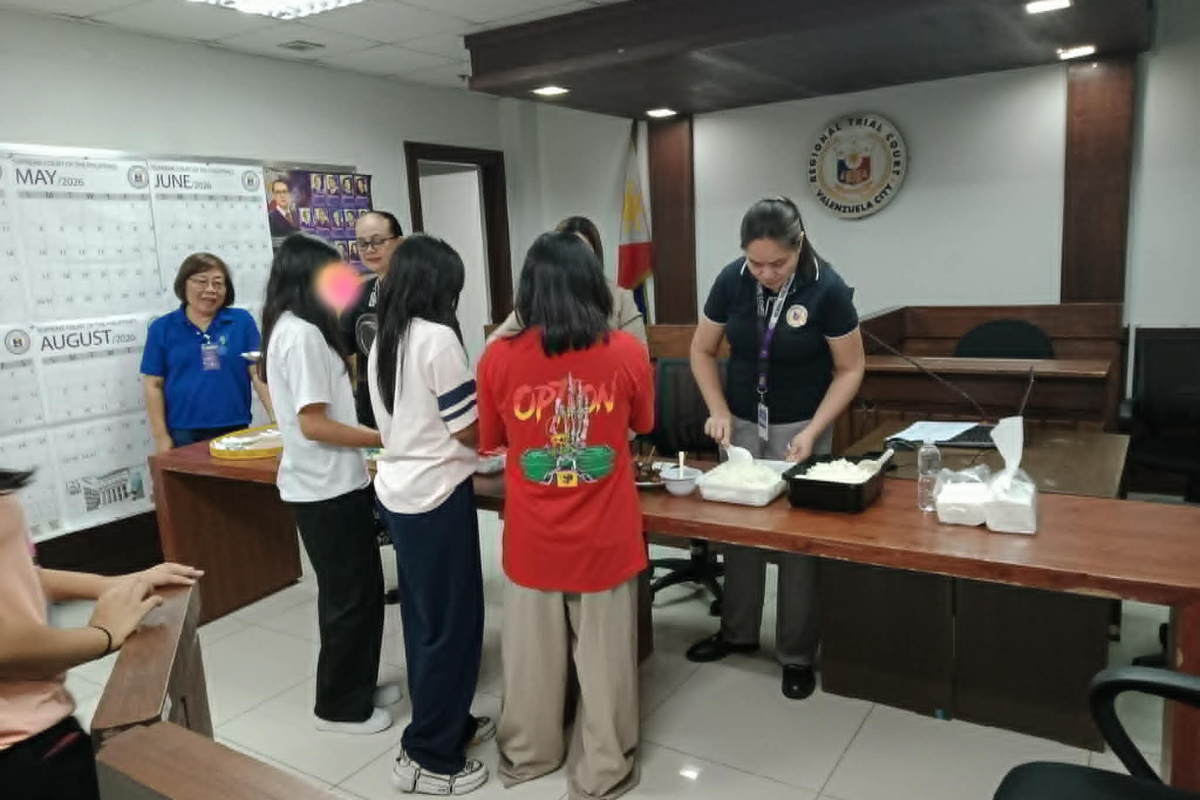
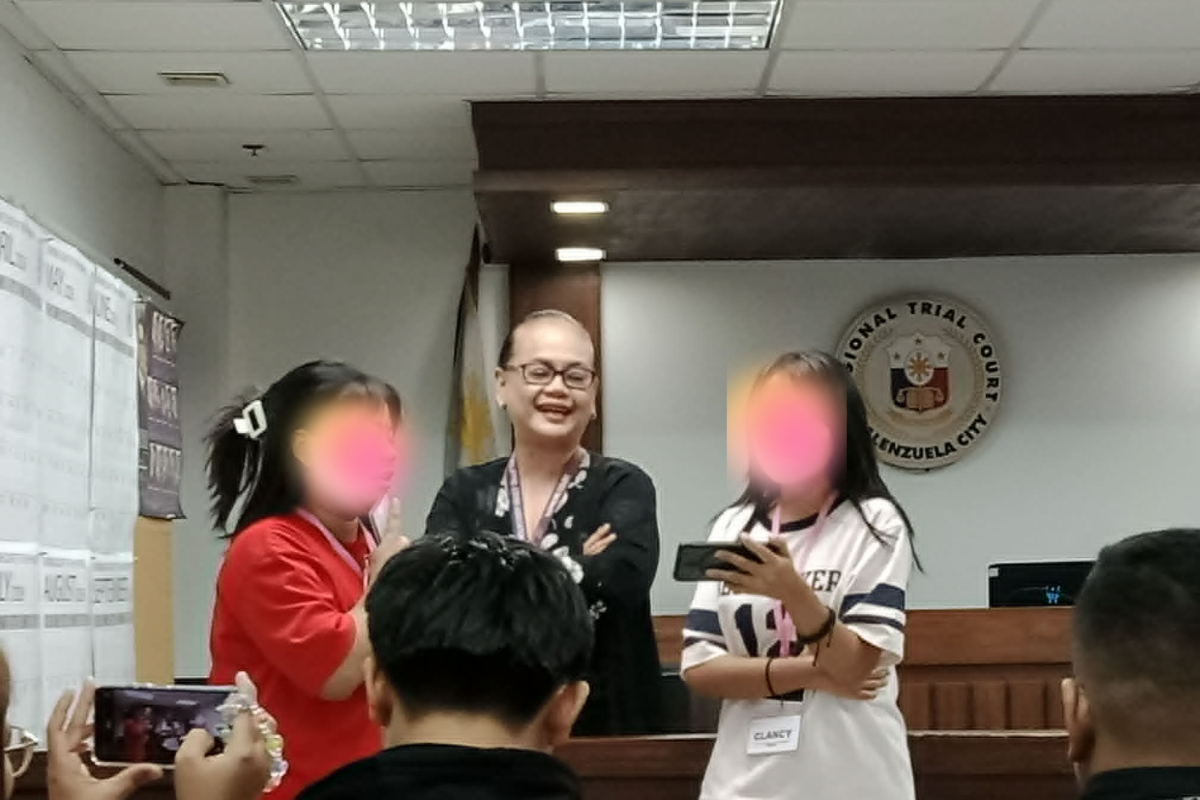
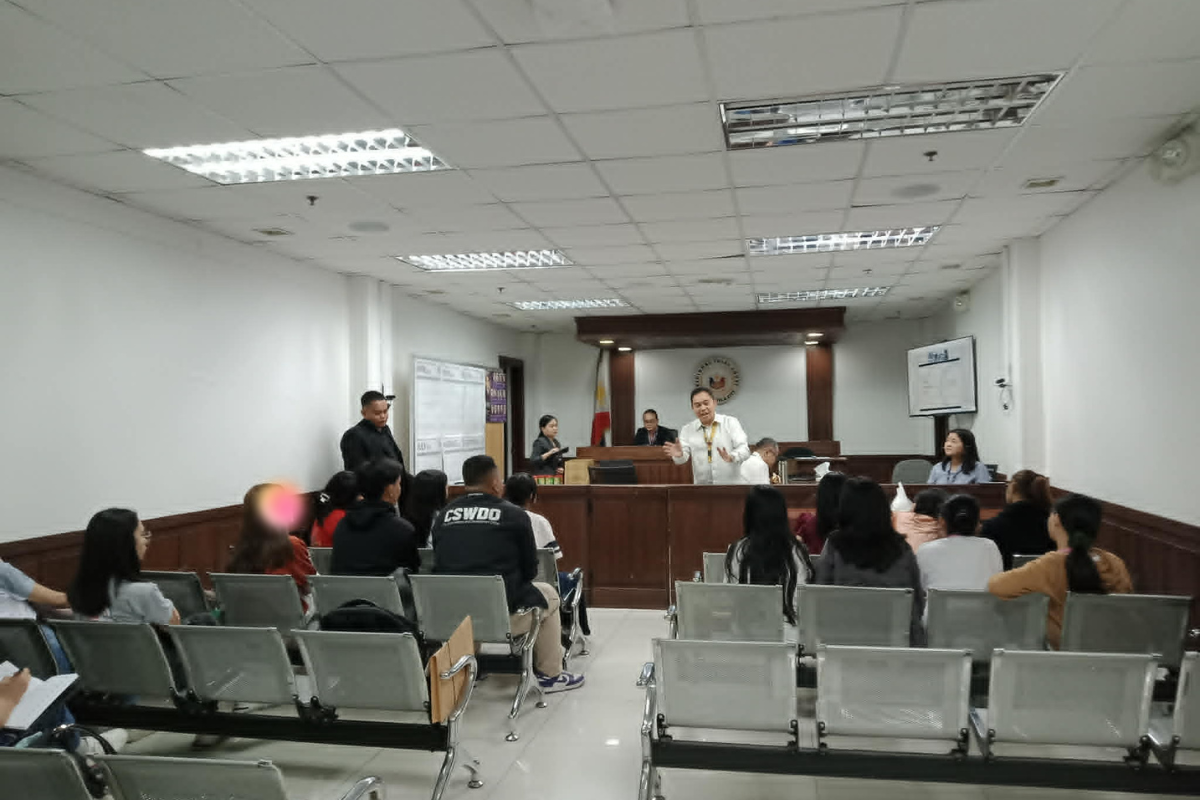
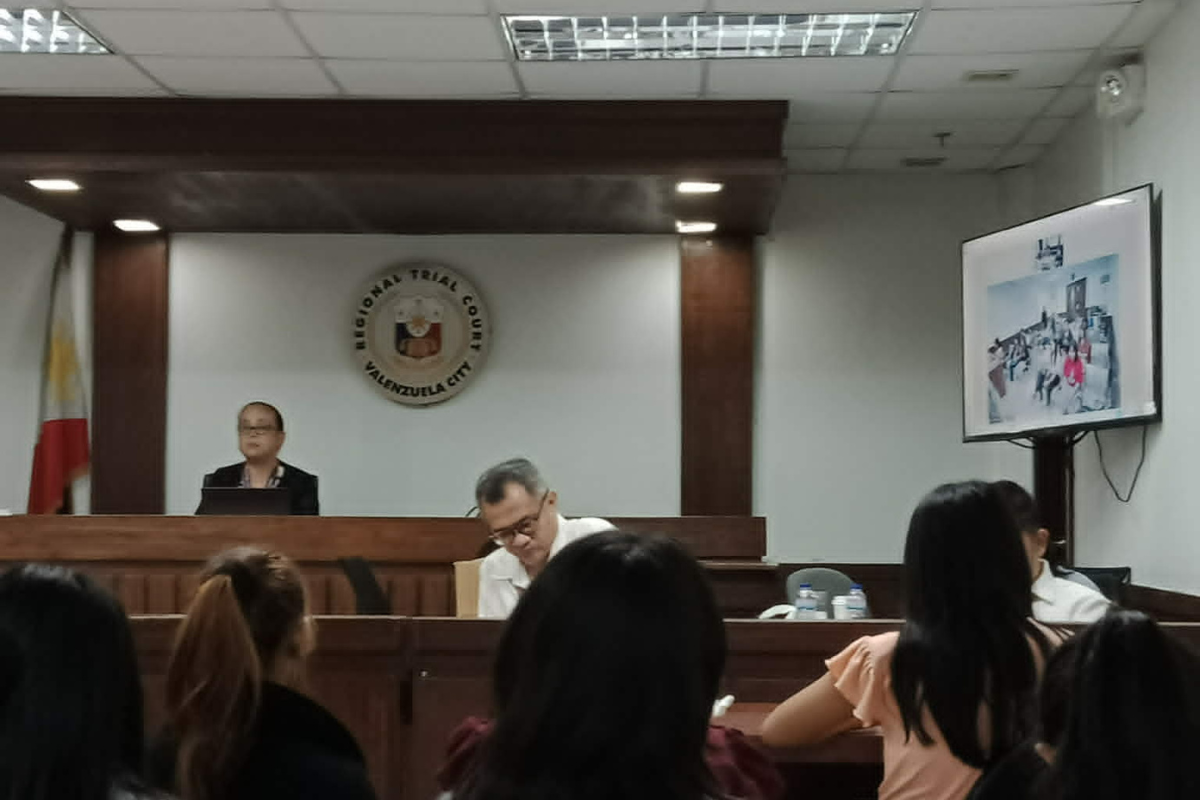
On April 14, 2026, the Kids and Teens Court Awareness Program (KTCAP) conducted a face-to-face educational court visit at RTC Branch 270, Valenzuela City, presided over by Hon. Executive Judge Evangeline Mendoza Francisco. The activity brought together 13 child participants and 11 accompanying adults from Taguig City SWDO Psycho-Paralegal Program and Quezon City SSDD.
Through interactive discussions, courtroom observations, and messages from legal professionals, participants gained a deeper understanding of how the justice system works and the role courts play in protecting rights, ensuring fairness, and upholding justice.
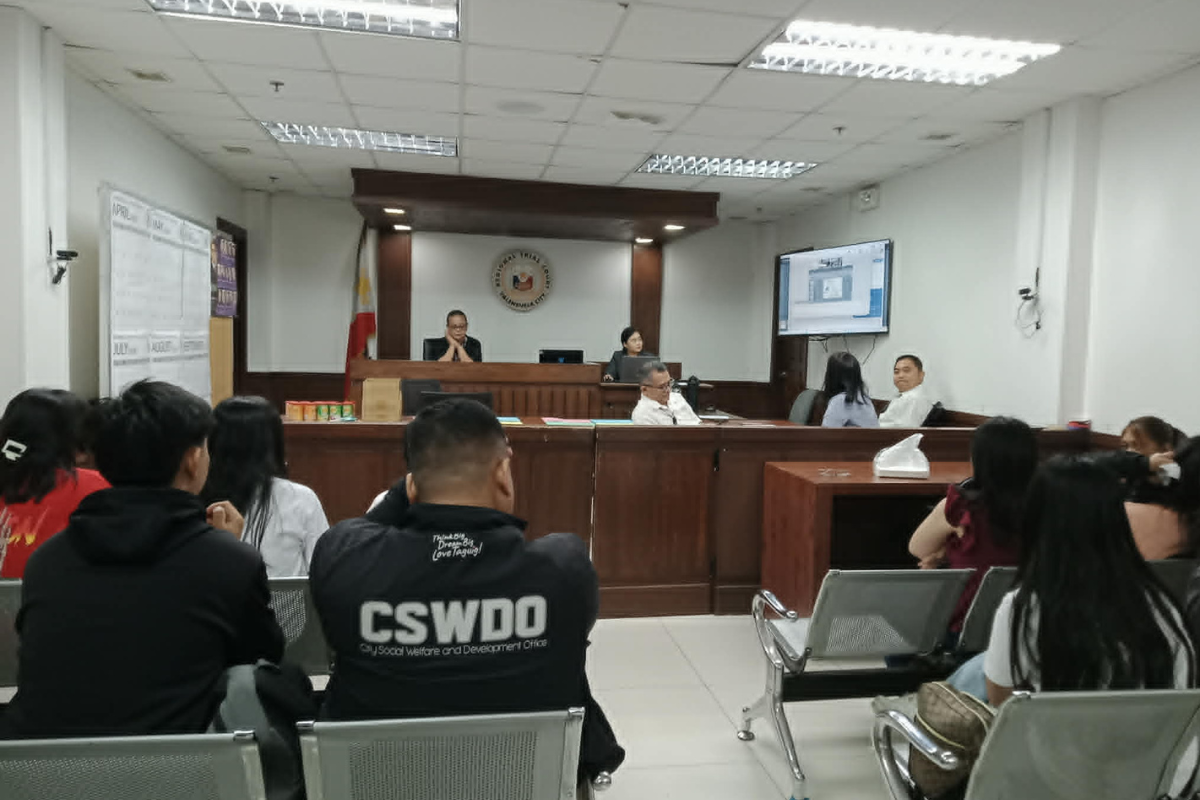
Observed an Actual Court Hearing
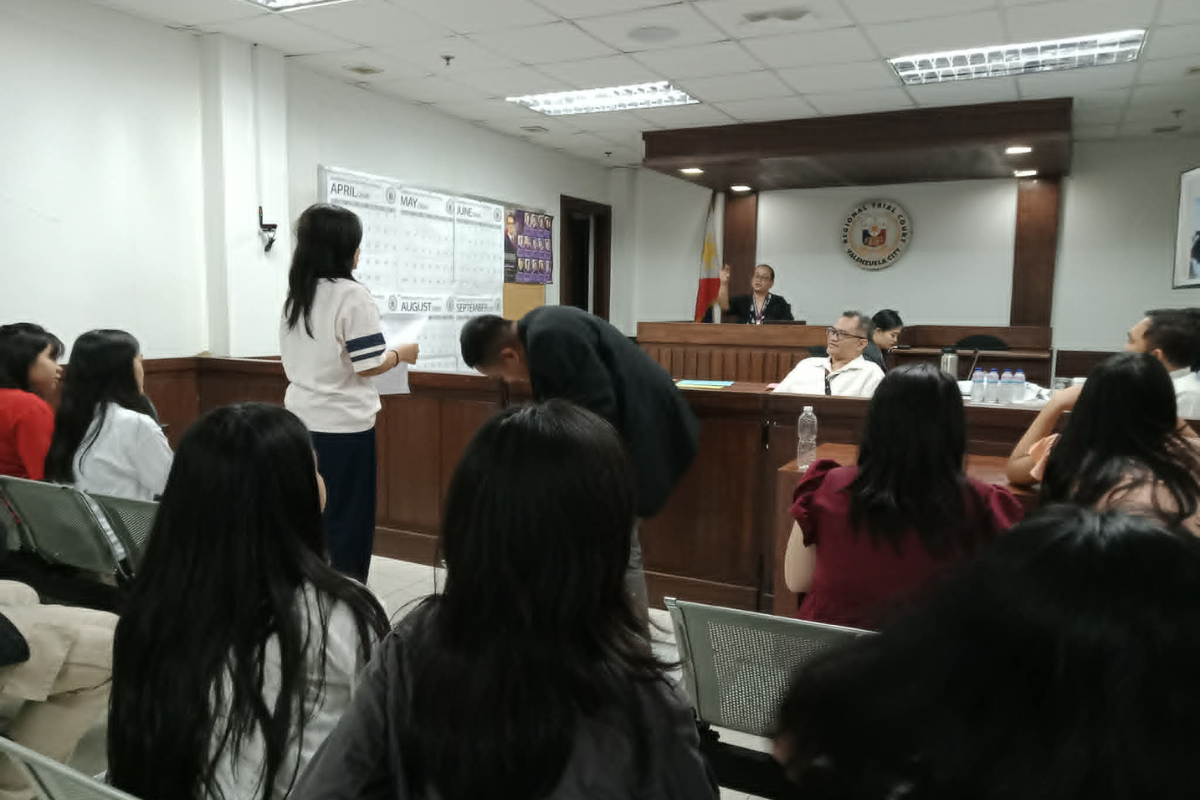
During the court observation, participants witnessed actual courtroom proceedings and observed the roles of the judge, prosecutors, defense lawyers, witnesses, support persons, and court personnel. The activity helped them understand that every individual inside the courtroom has an important responsibility. They also learned that both sides of a case are given the opportunity to be heard and that evidence is carefully examined before decisions are made.
Through this firsthand experience, participants gained practical insight into the justice system and learned why fairness, truth, and due process are essential in every case.
Orientation on Court Proceedings
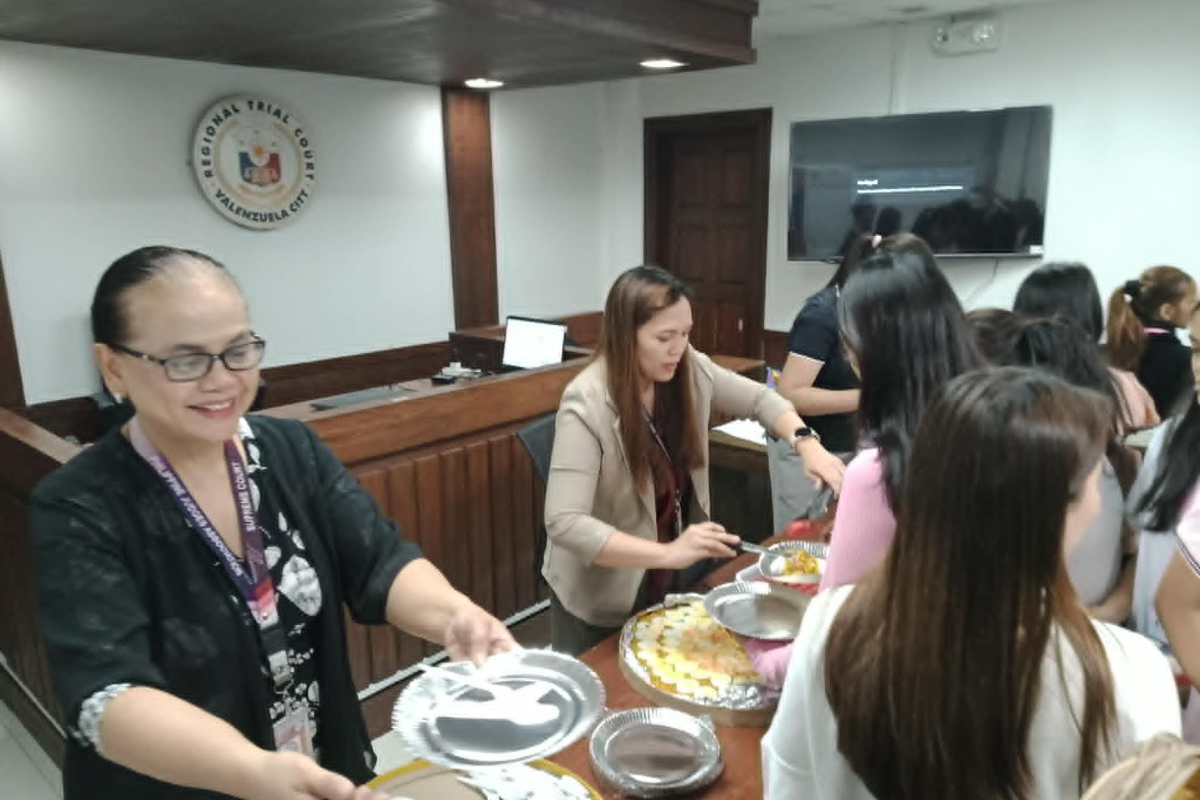
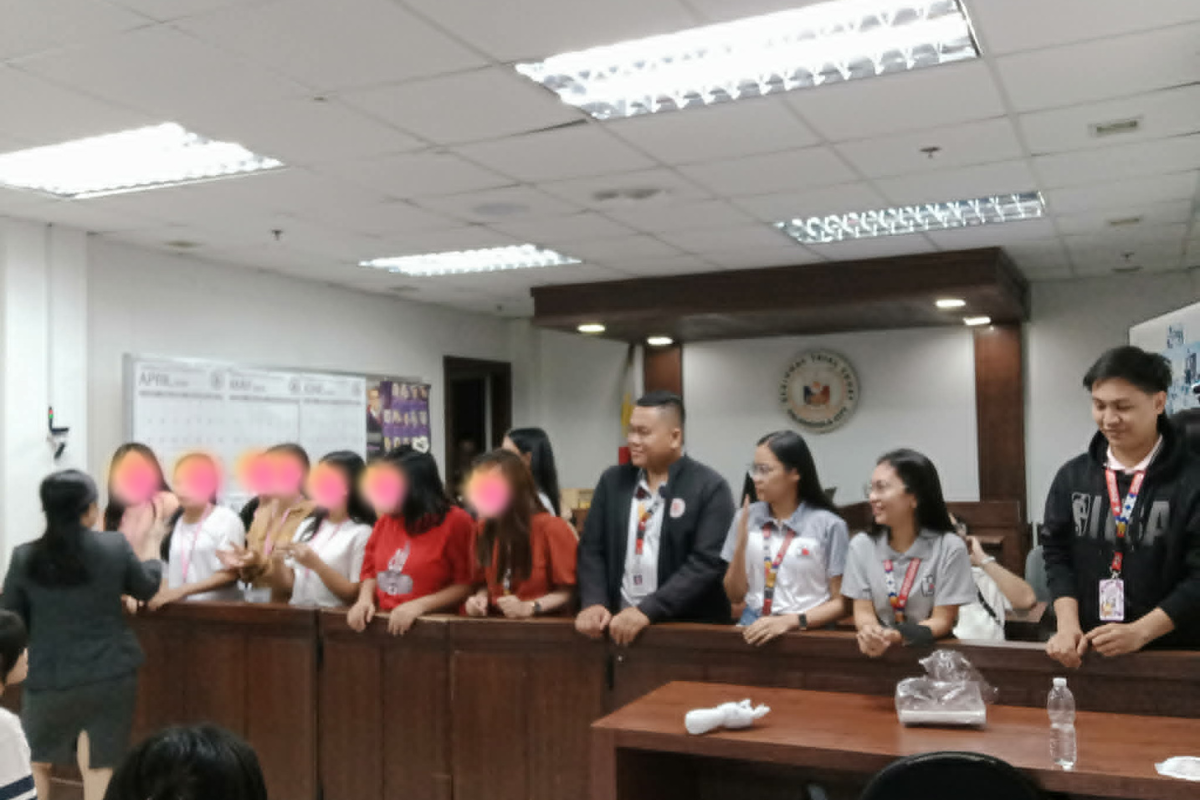
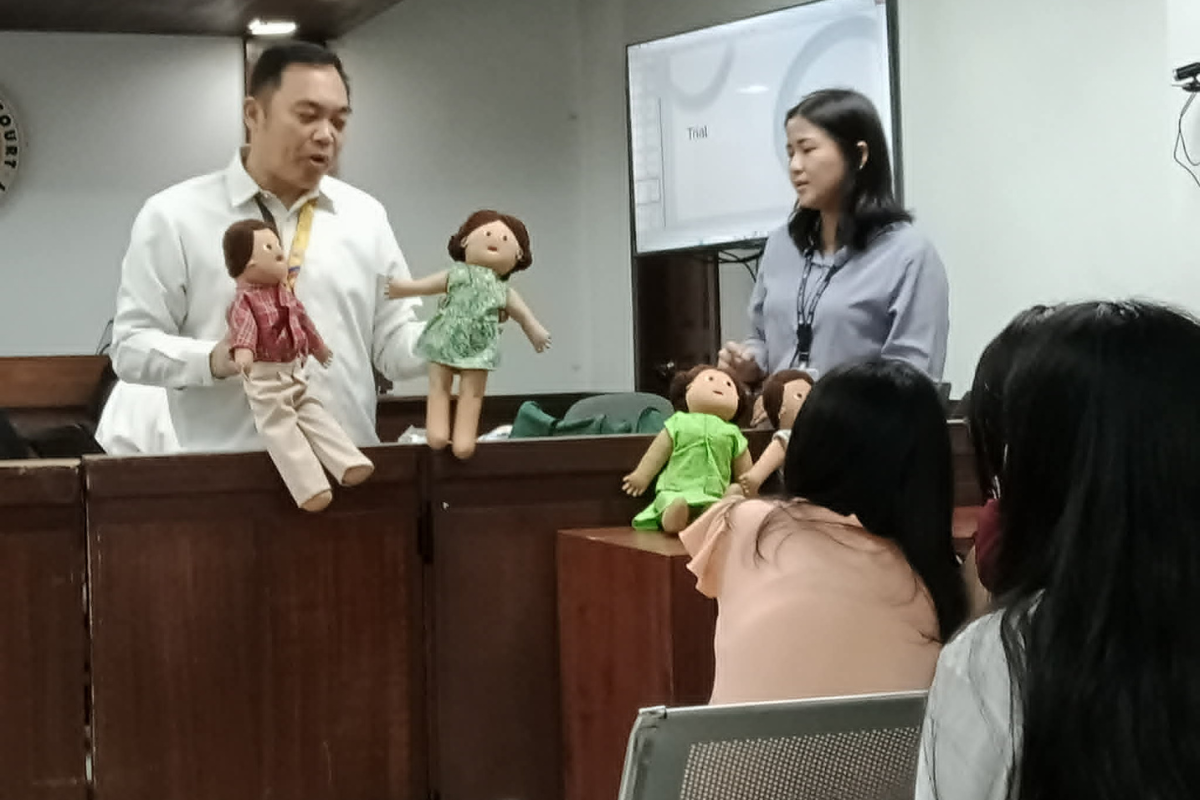
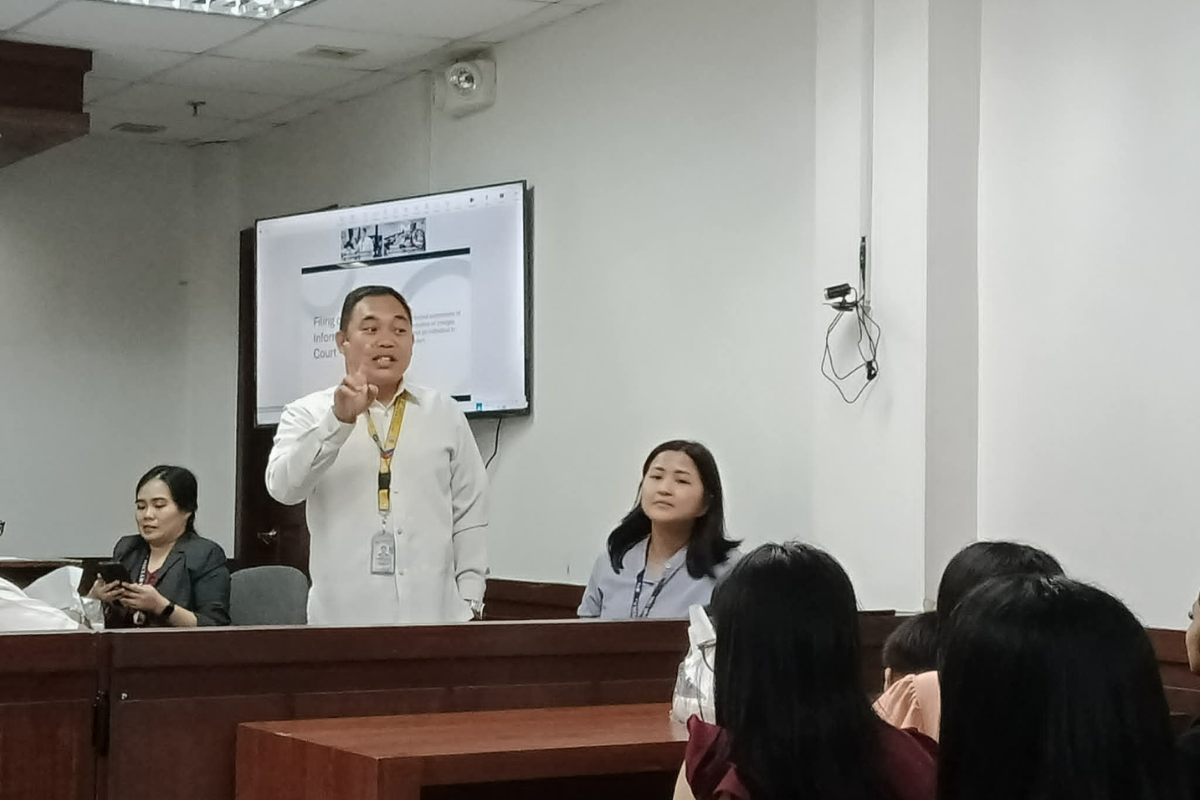
One of the highlights of the visit was an orientation led by Public Prosecutor Ferdinand Razon and Chief Dennis Kuong.
Prosecutor Razon explained that a criminal case may begin through an inquest proceeding when a suspect is arrested immediately after a crime is committed. If the suspect is not immediately arrested, the case generally undergoes a preliminary investigation, during which the prosecutor reviews the evidence before deciding whether to file the case in court.
Participants also learned about the Information, the formal legal document that initiates a criminal case in court. This document contains essential details such as the alleged offense, the date and place of commission, the persons involved, and the identity of the victim.
Another topic discussed was the raffling of cases, the process by which newly filed cases are randomly assigned to court branches to promote fairness and impartiality. The participants were also introduced to Family Courts, which handle cases involving minors and family-related matters.
Introduction to Court Personnel
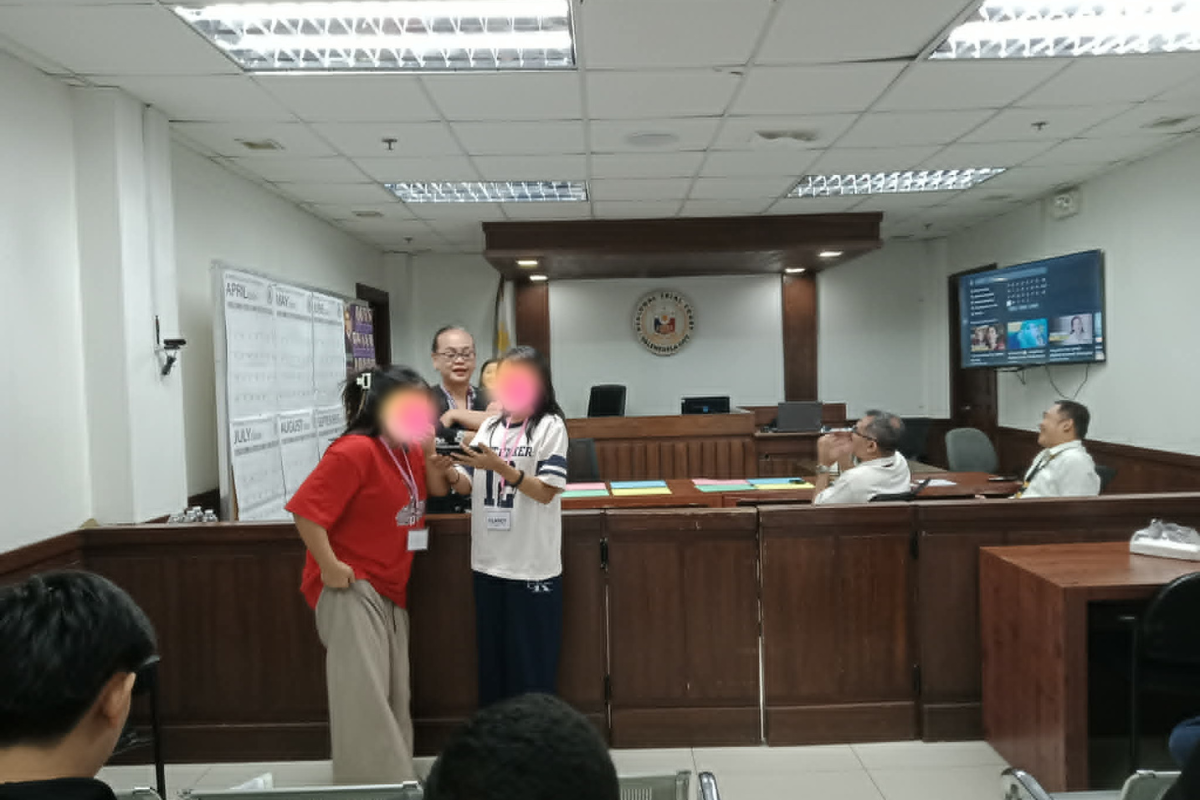
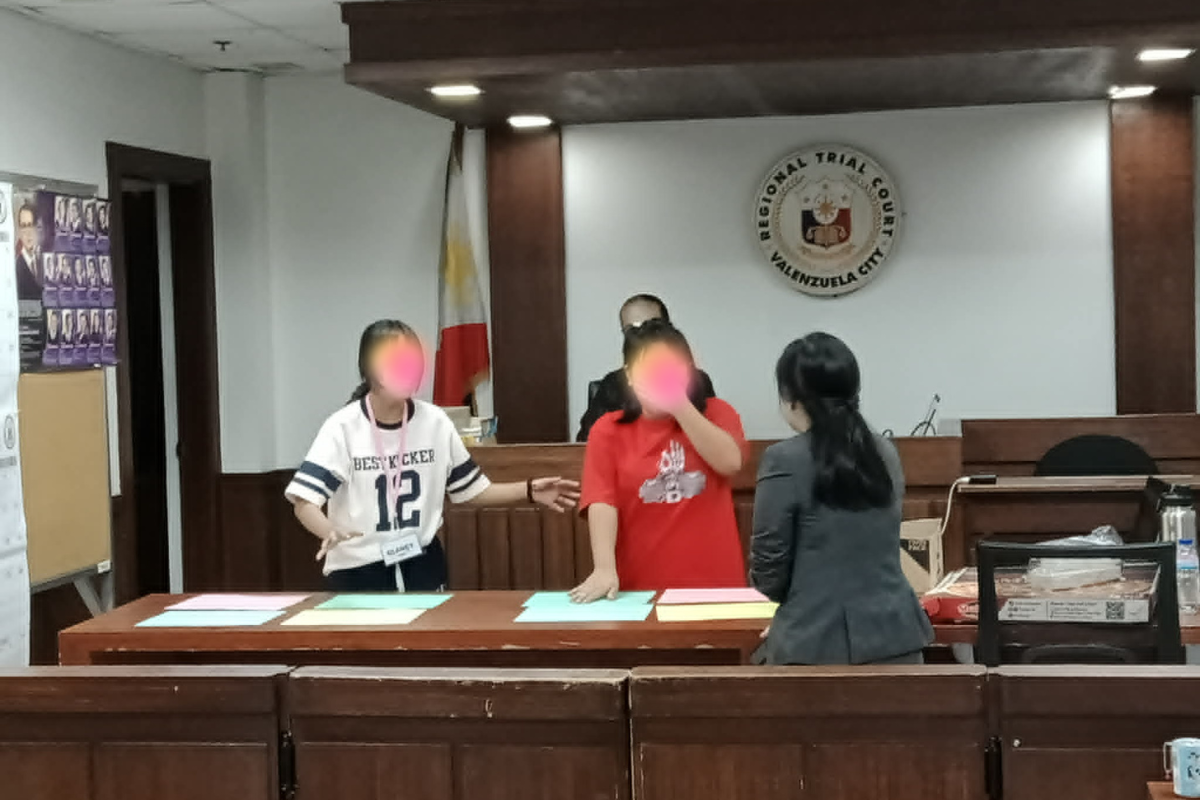
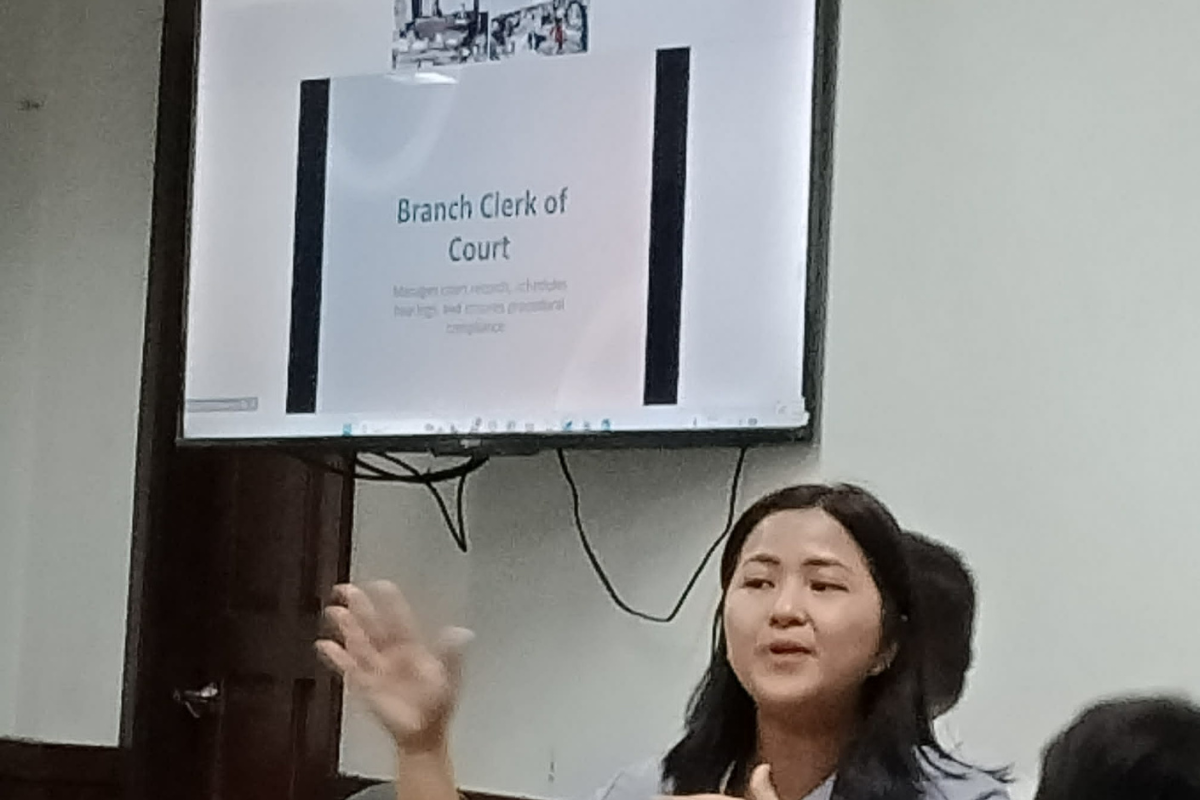
Atty. Roca S. Regala-Abelilla, Branch Clerk of Court, introduced the participants to the various professionals who help ensure the effective functioning of the justice system.
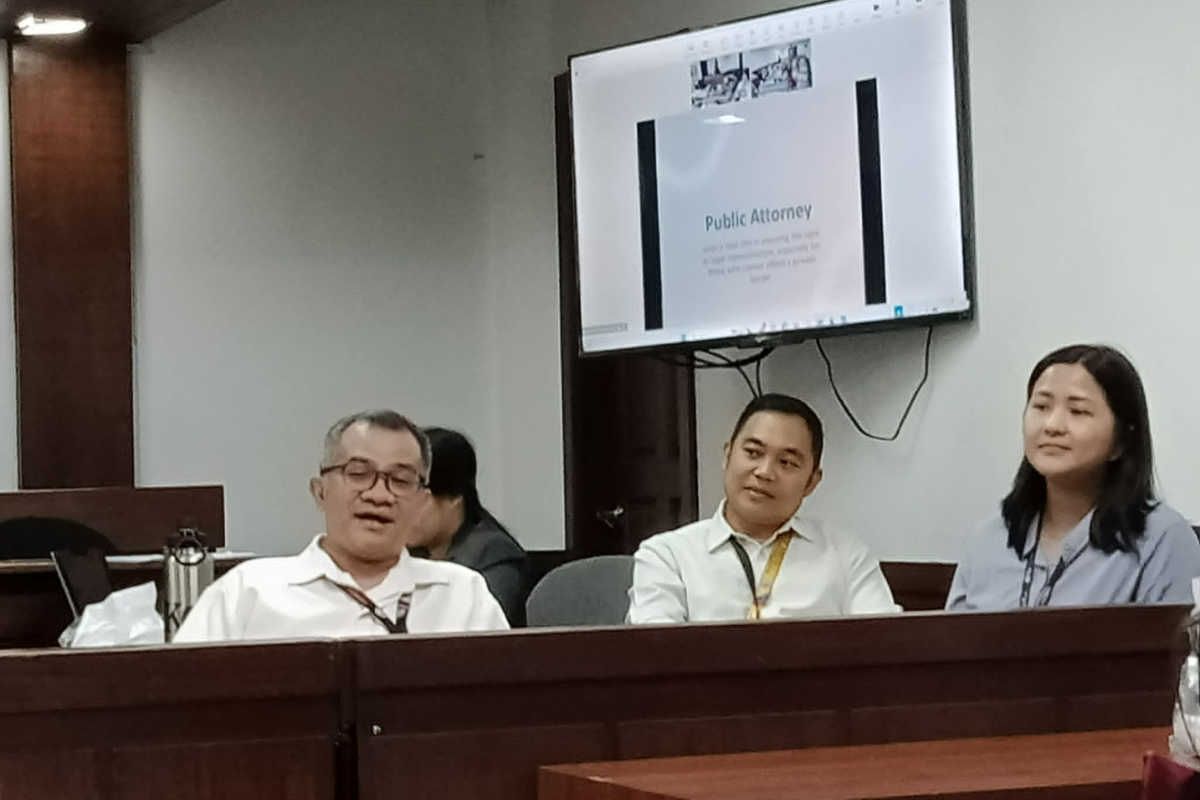
The Judge presides over the courtroom and ensures that proceedings are conducted fairly and in accordance with the law. The Public Prosecutor represents the interests of the State and presents evidence in court, while lawyers from the Public Attorney’s Office (PAO) provide legal assistance to individuals who cannot afford private counsel.
Participants also learned about the work of the Court Interpreter, who translates questions and statements between English and Filipino so that all parties can fully understand the proceedings. This role is especially important when children and young witnesses are involved.
The Court Stenographer records everything that occurs during hearings and prepares official transcripts, while the Branch Clerk of Court manages court records and helps ensure that legal procedures are properly followed.
In addition, the group was introduced to Legal Researchers, who assist judges by researching laws and court decisions, and to Sheriffs and Process Servers, who deliver subpoenas, court notices, and other official documents.
The participants also met Court Social Workers, whose role is to provide support, guidance, and assistance to children, families, and other individuals involved in court proceedings. Their presence helps protect the welfare and emotional well-being of young people throughout the legal process.
An Inspiring Message of Hope and Courage
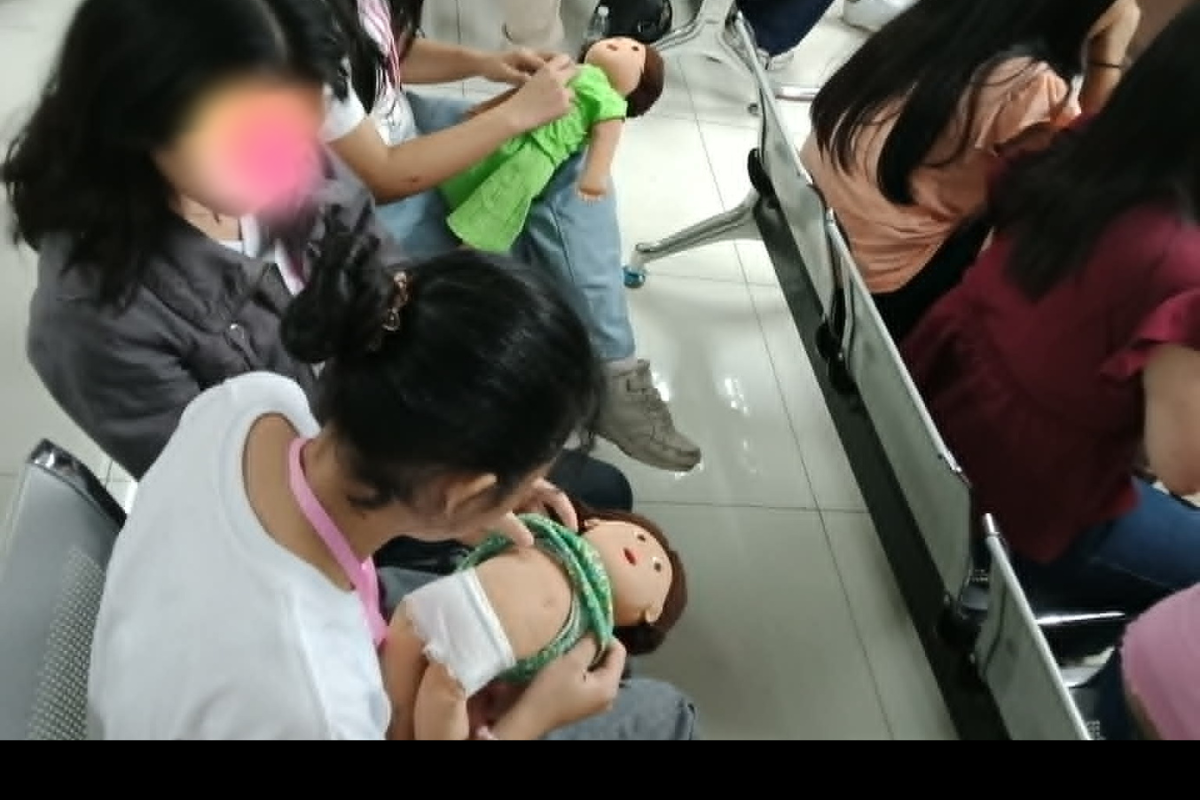
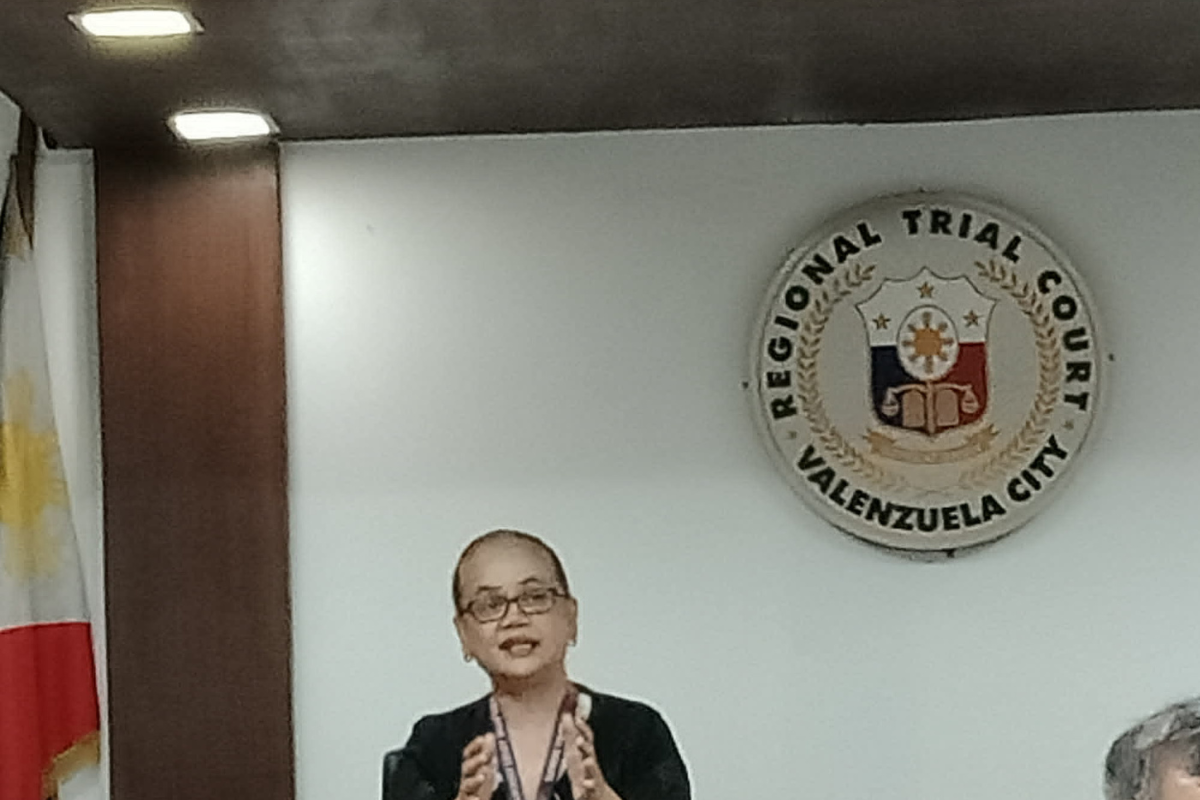
The visit concluded with remarks from Hon. Executive Judge Evangeline S. Mendoza-Francisco, who thanked the participants for their enthusiasm and willingness to learn about the justice system.
Judge Mendoza-Francisco encouraged the children and youth to remember that they are not alone in facing life’s challenges. She emphasized that their voices matter, their stories matter, and their courage matters.
She explained that the court, prosecutors, public attorneys, social workers, and court personnel are all committed to helping individuals seek justice while ensuring that everyone is treated fairly and with respect.
She also encouraged the participants to continue believing in themselves, to hold on to hope, and to value the opportunities available to them—especially education.
“Education is a treasure that no one can take away from you.”
She urged the children to pursue their studies and work hard toward achieving their dreams. Judge Mendoza-Francisco concluded by emphasizing the importance of helping one another and recognizing that every person has a unique purpose in life. Her message inspired participants to remain strong, hopeful, and determined despite the difficulties they may face.
Building Future Advocates for Justice
The KTCAP court visit was more than an educational tour—it was a meaningful experience that empowered children and youth to better understand their rights, the legal process, and the people who work to uphold justice.
By opening the doors of the courtroom and providing opportunities for learning and interaction, the program helped inspire future advocates for truth, fairness, and responsible citizenship. Most importantly, it reminded every participant that their voice matters, their dreams matter, and they have the power to help create a better future for themselves and their communities.
Selected Feedback from Children
Feedback from Social Workers (Edited for clarity and readability)
About KTCAP
“The Kids and Teens Court Awareness Program (KTCAP) is a collaborative initiative designed to empower child and teen victims or witnesses of abuse and exploitation. Its goal is to prepare them for court appearances while easing the fear, anxiety, and uncertainty often associated with legal proceedings. Inspired by the King County Kids’ Court in Seattle and thoughtfully adapted for the Philippine context, KTCAP helps young participants understand the justice system, their role in it, and how to navigate courtroom processes with confidence and clarity.
The Justice Cecilia Muñoz Palma Foundation (JCMPF), in collaboration with the Center for the Prevention and Treatment of Child Sexual Abuse (CPTCSA) and Action Against Violence and Exploitation, conducts the Kids and Teens Court Awareness Program (KTCAP).
Every child has the right to be heard. KTCAP is helping make that possible—one empowered child at a time.”