
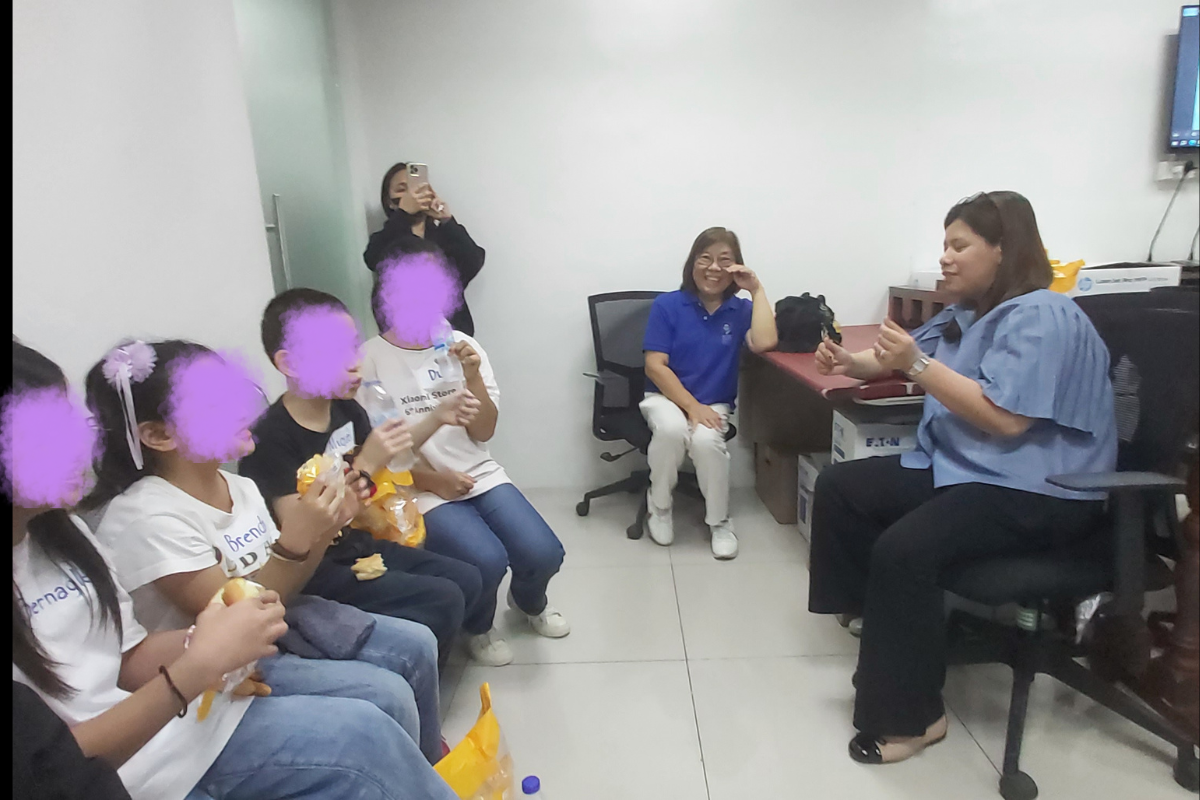
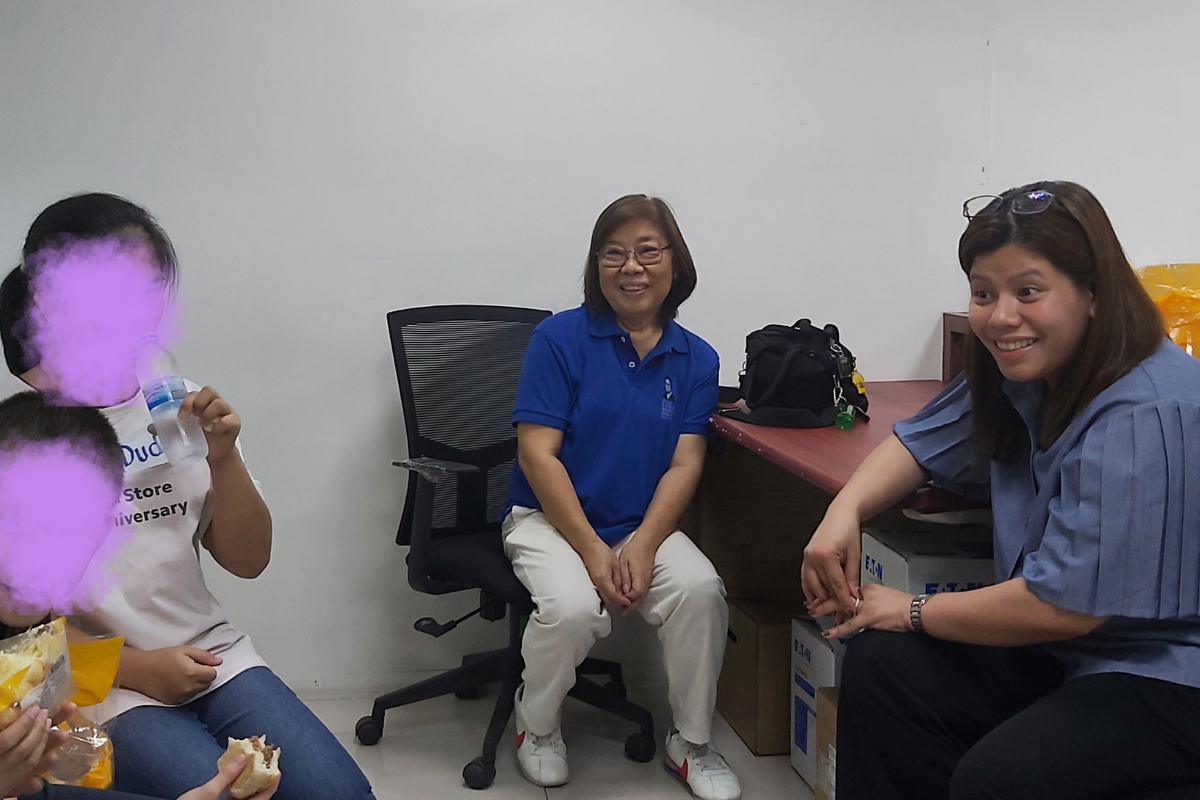
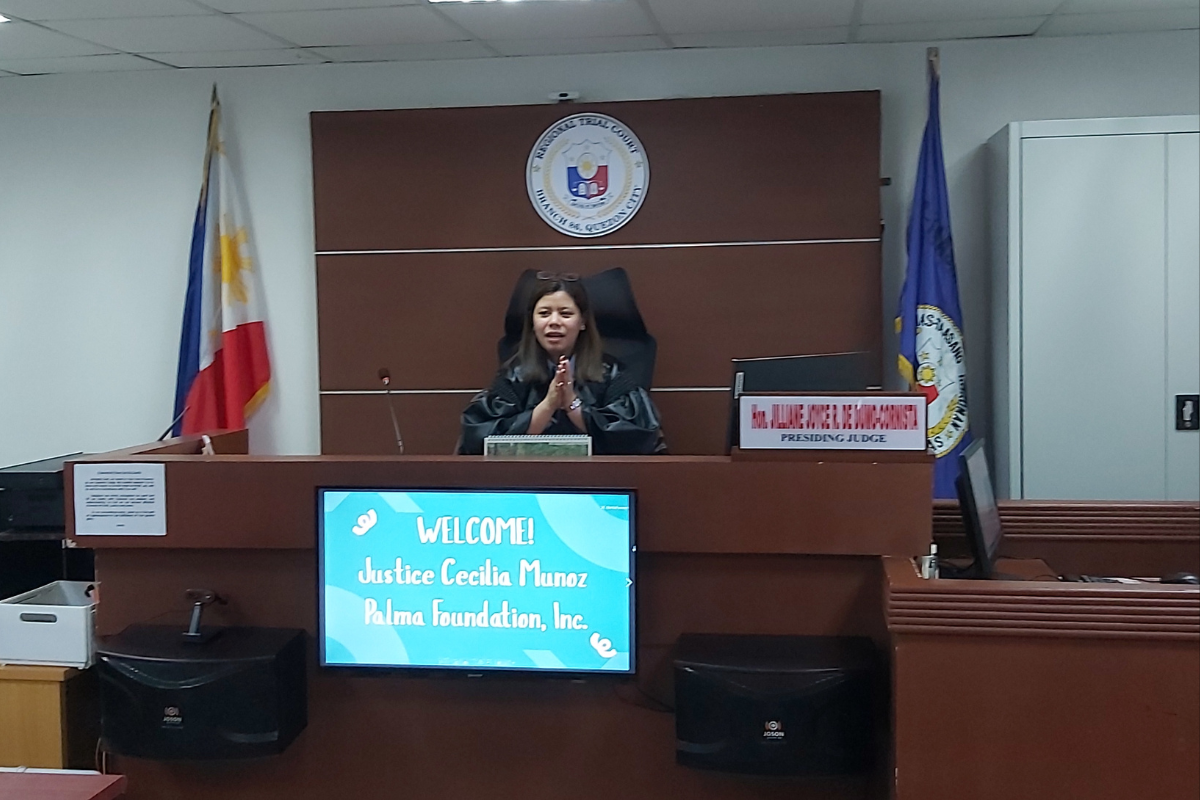
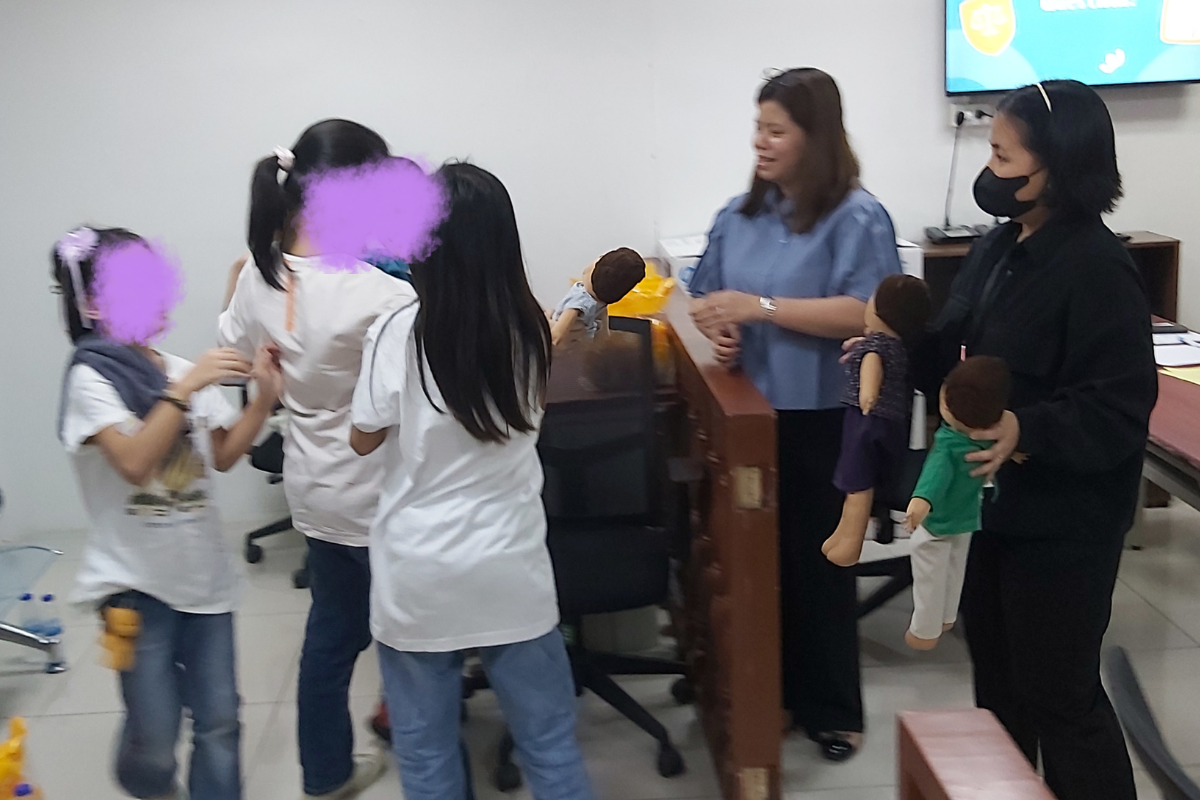
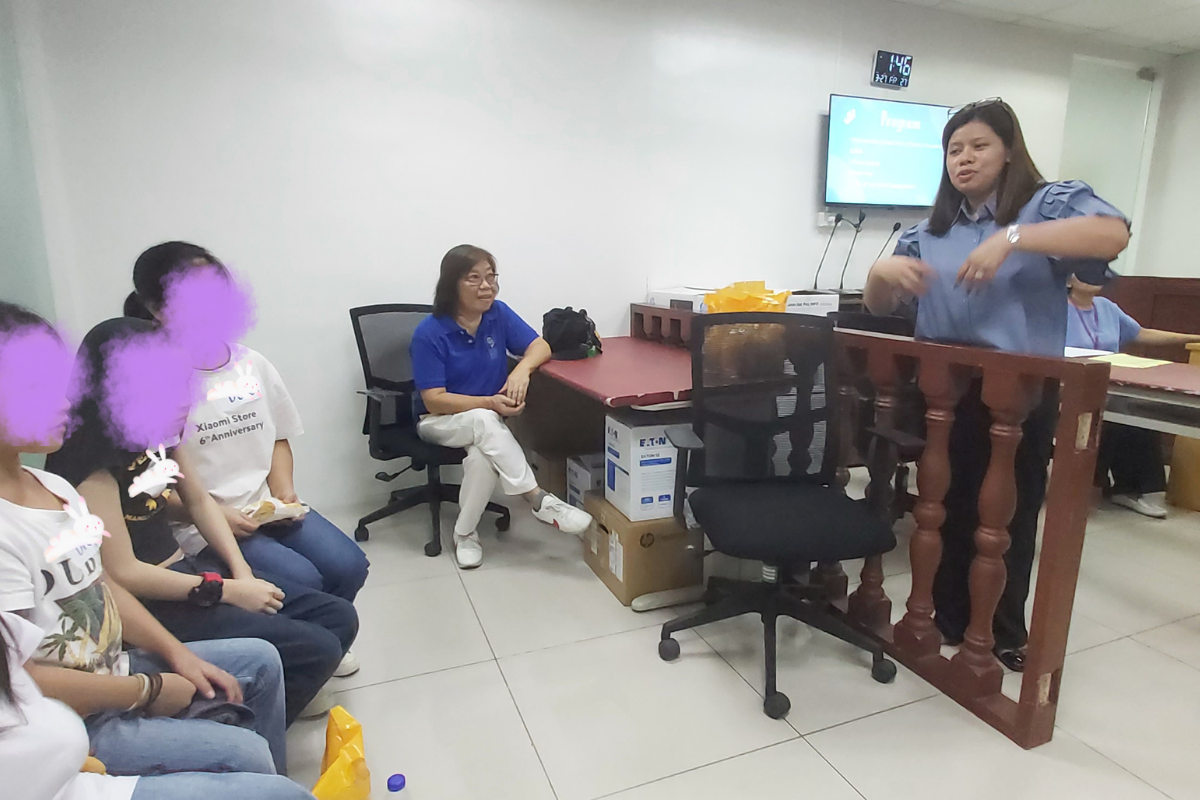
On March 27, 2026, at 1:30 p.m., the Kids and Teens Court Awareness Program (KTCAP) was conducted in partnership with the court of Hon. Jilliane Joyce R. De Dumo-Cornista. The session was attended by four (4) children and seven (7) adults, composed of parents, social workers from Parañaque City Bahay Aruga, and representatives from the Justice Cecilia Muñoz Palma Foundation (JCMPF).
KTCAP Overview
KTCAP is a legal education initiative designed to prepare child victims and witnesses for court by helping them understand legal processes, their roles, and the key individuals they will encounter in judicial proceedings. The program aims to reduce anxiety and strengthen children’s confidence through a child-friendly and supportive environment. It likewise engages parents, guardians, and social workers to enhance their capacity as effective support people, ensuring that children receive consistent emotional and practical guidance throughout the process.
Court Orientation Session
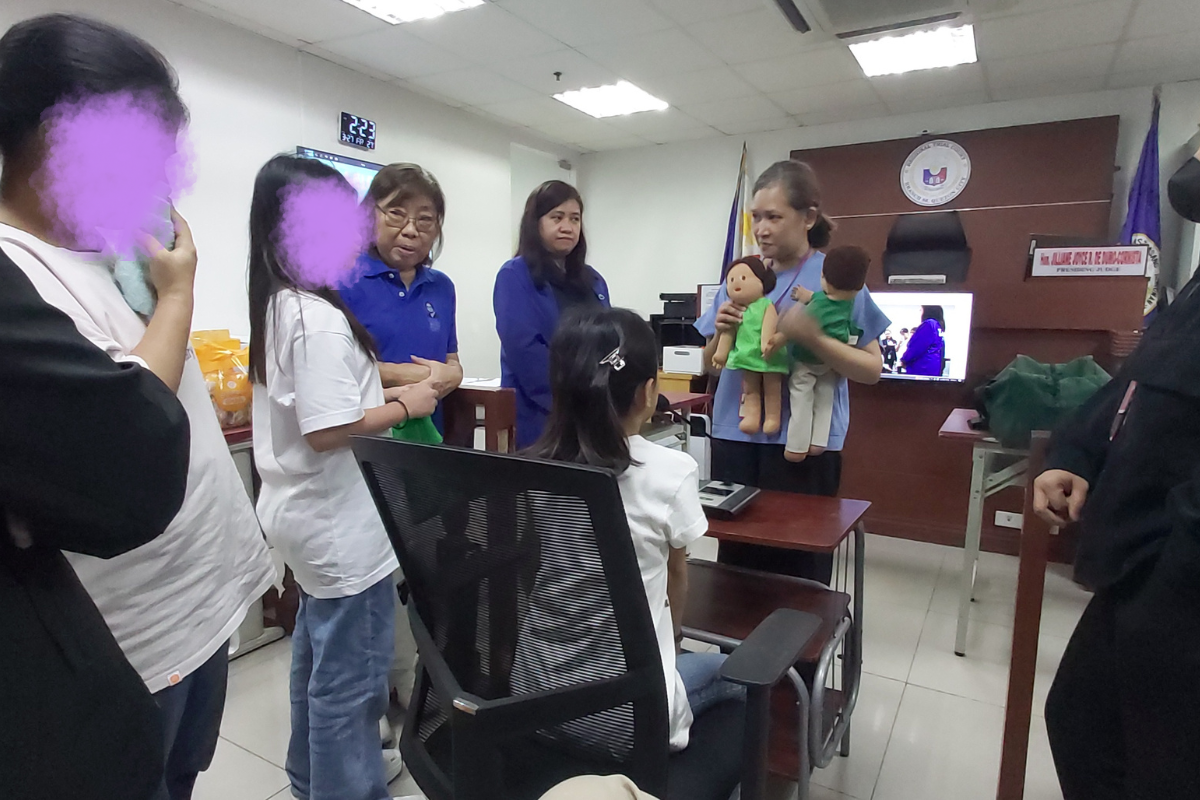
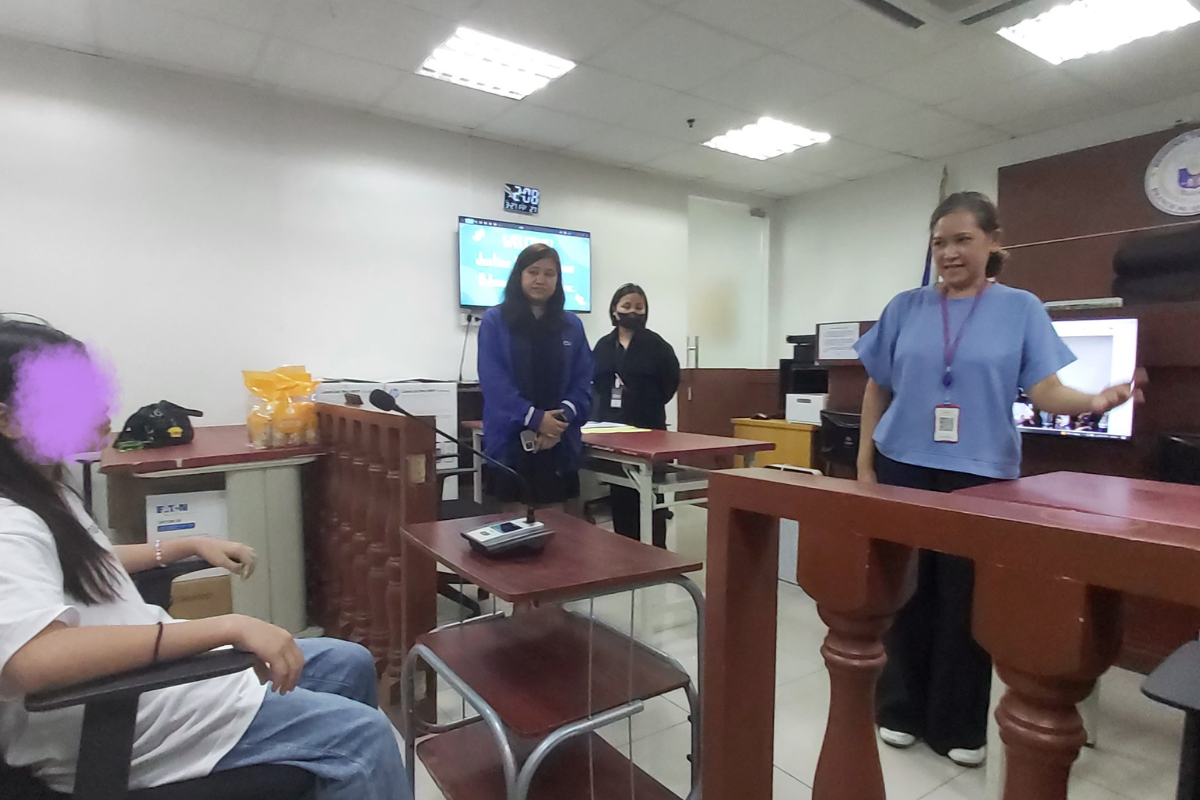
During the session, Judge De Dumo-Cornista, together with her court personnel, explained the flow of court proceedings, including the different stages of questioning such as direct examination, cross-examination, re-direct examination, and recross-examination conducted by both the prosecutor and defense counsel.
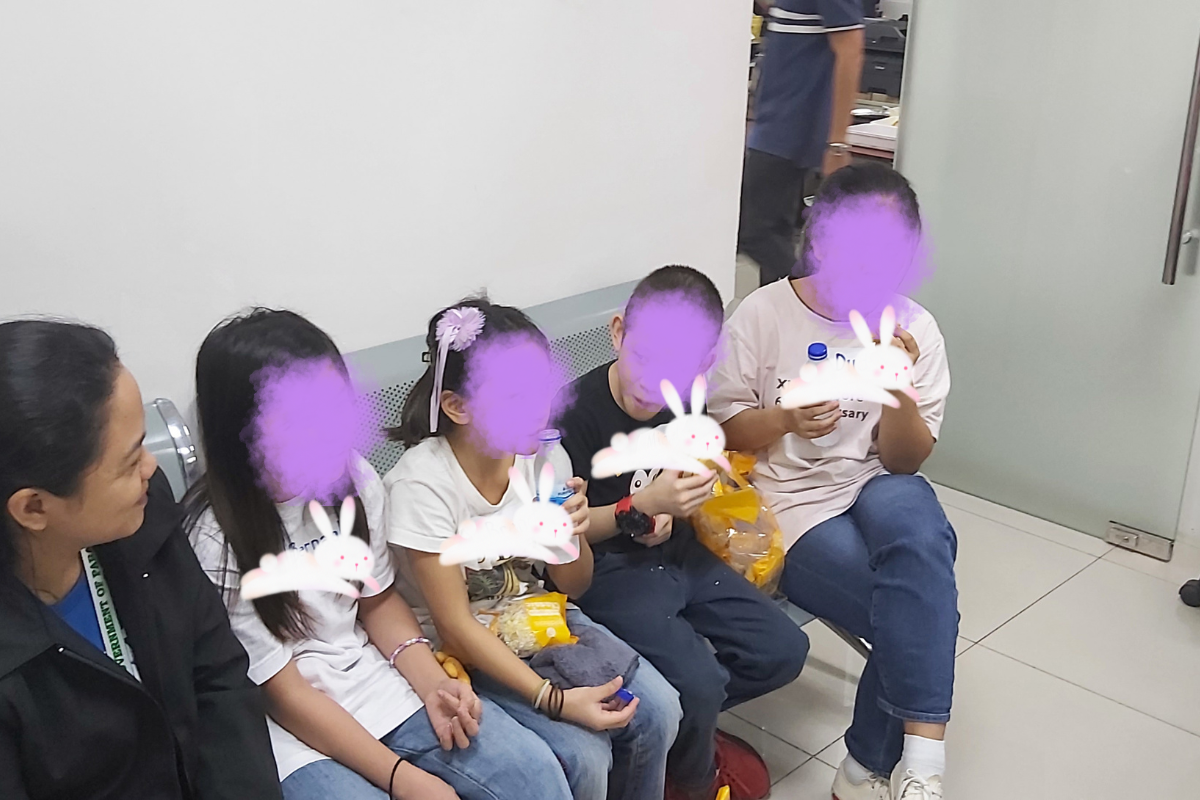
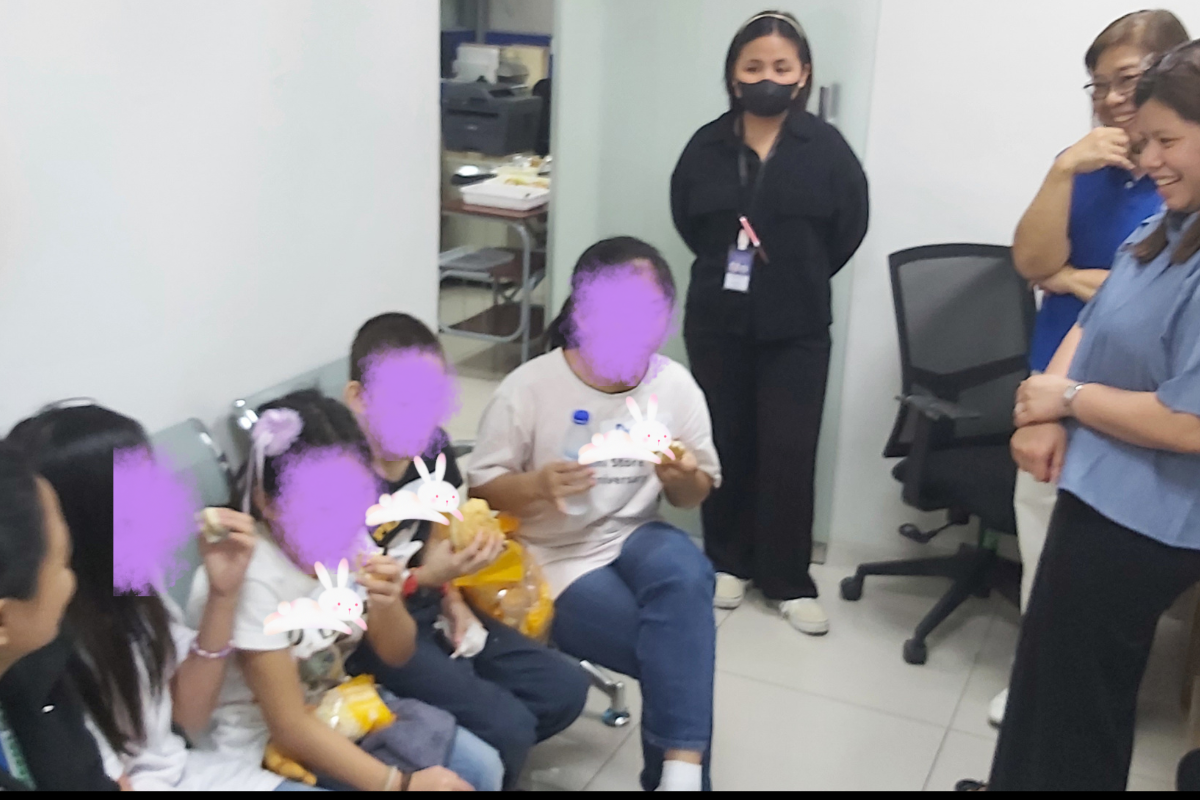
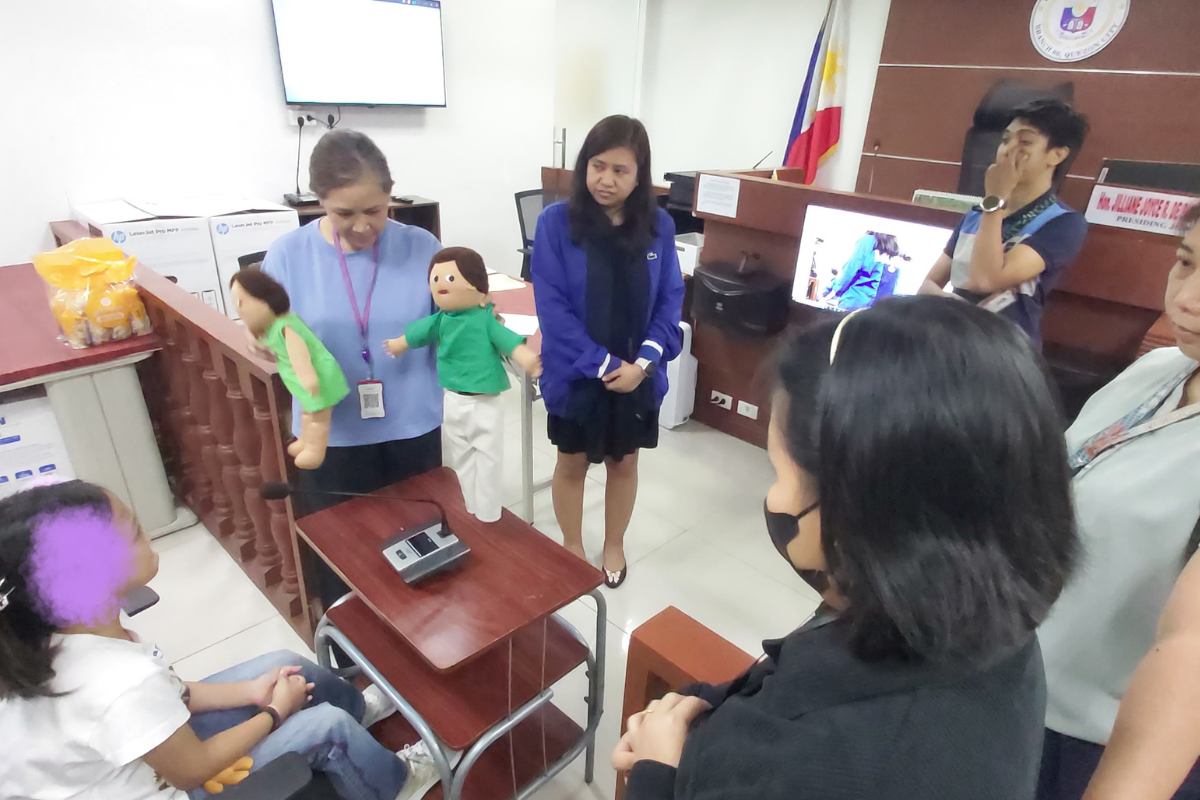
She emphasized that hearings may take time due to the need for thorough examination of witnesses. Multiple rounds of questioning are conducted to ensure that all sides are properly heard and that due process is observed. She further explained that hearings may conclude within a single day or extend over several days depending on the complexity of the case.
The Judge also highlighted that the length of time spent in hearings does not necessarily reflect case progress. Witnesses may be asked similar questions multiple times, which can be emotionally and mentally demanding, particularly for child witnesses.
Child-Sensitive Court Practices
Special attention was given to child-sensitive procedures in court. In general, child witnesses are not required to be sworn in due to their age, and questions are asked in a manner appropriate to their developmental level.
A social worker is typically present during testimony to provide emotional support and ensure the child’s comfort. Child-friendly courtroom arrangements have been made to help children respond more effectively and with reduced anxiety.
The courtroom setup, including the positions of the judge, stenographer, prosecutors, and defense counsel—was also explained to help participants understand how proceedings are conducted. Court protocols emphasize the importance of truthfulness in testimony while recognizing that children may need time and support to express their experiences.
Mock Trial Activity
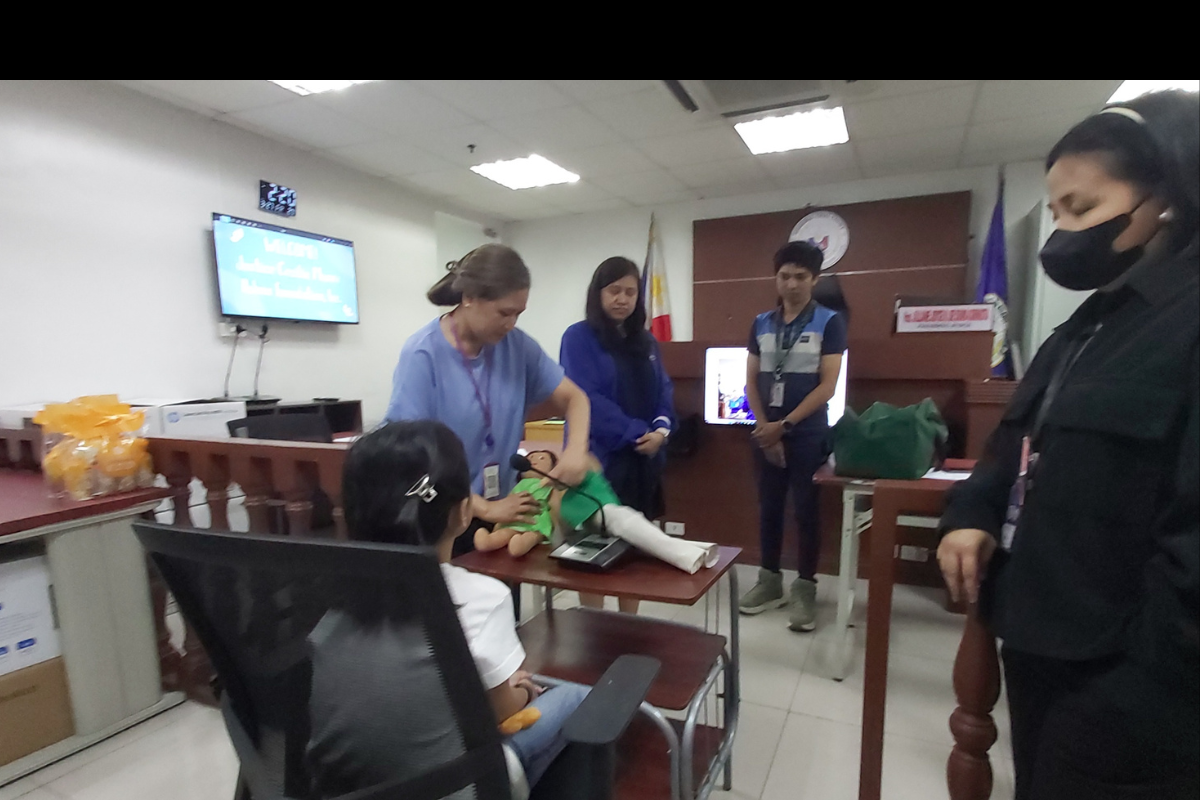
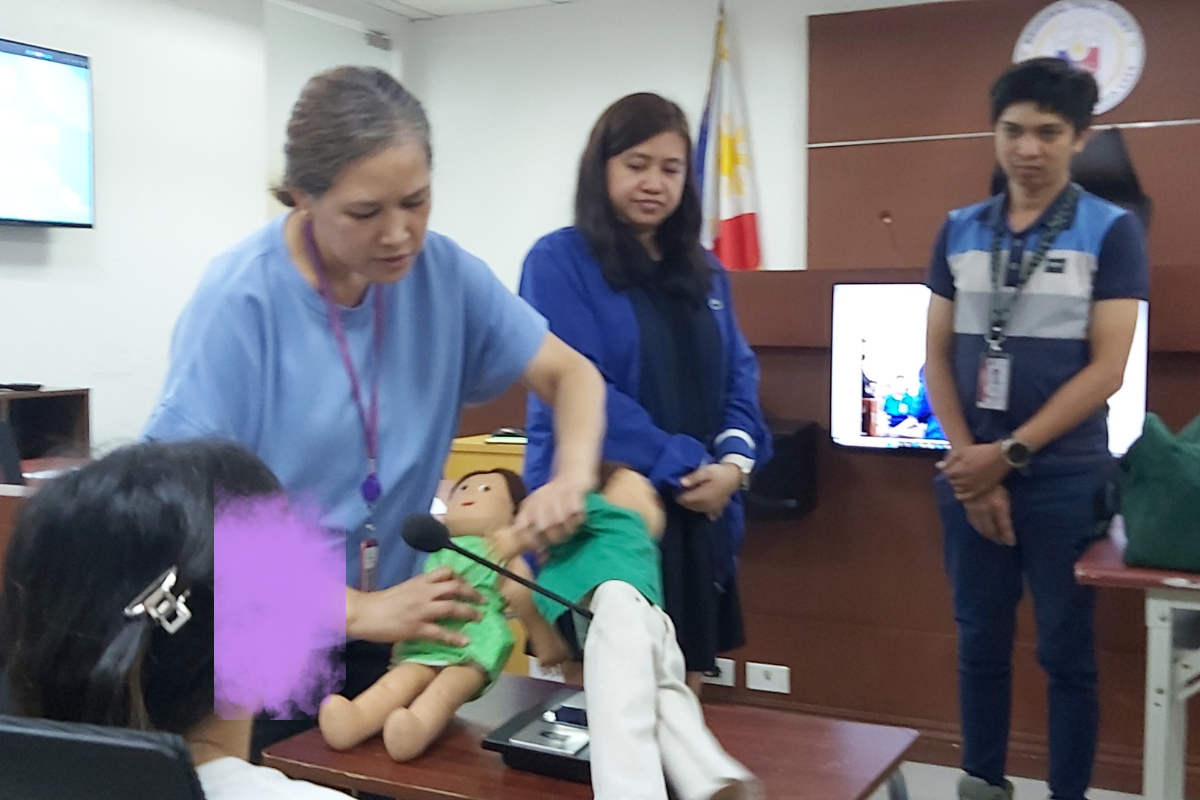
A mock trial was conducted to simulate actual courtroom proceedings. This activity allowed participants to become familiar with the courtroom environment and the roles of judges, lawyers, and other court personnel.
The simulation helped demystify legal procedures and significantly reduced fear and anxiety among the children. It also provided them with a clearer understanding of what to expect when participating in actual court hearings.

Confidentiality and Child Protection
The session also underscored the importance of confidentiality in cases involving child witnesses. Court proceedings are conducted in a manner that safeguards the child’s privacy and ensures that sensitive information is protected at all times.
Participant Feedback
From Children:
“Magsabi ng totoo, huwag magsisinungaling at huwag mag-imbento ng hindi totoo.”
– Male, 10 years old
“Natutunan ko po ay mag-asal at kung ano yung tama sa court. Para sa amin, nakakatulong po ang court at sana makulong ang gumawa ng masama sa amin.”
– Female, 12 years old
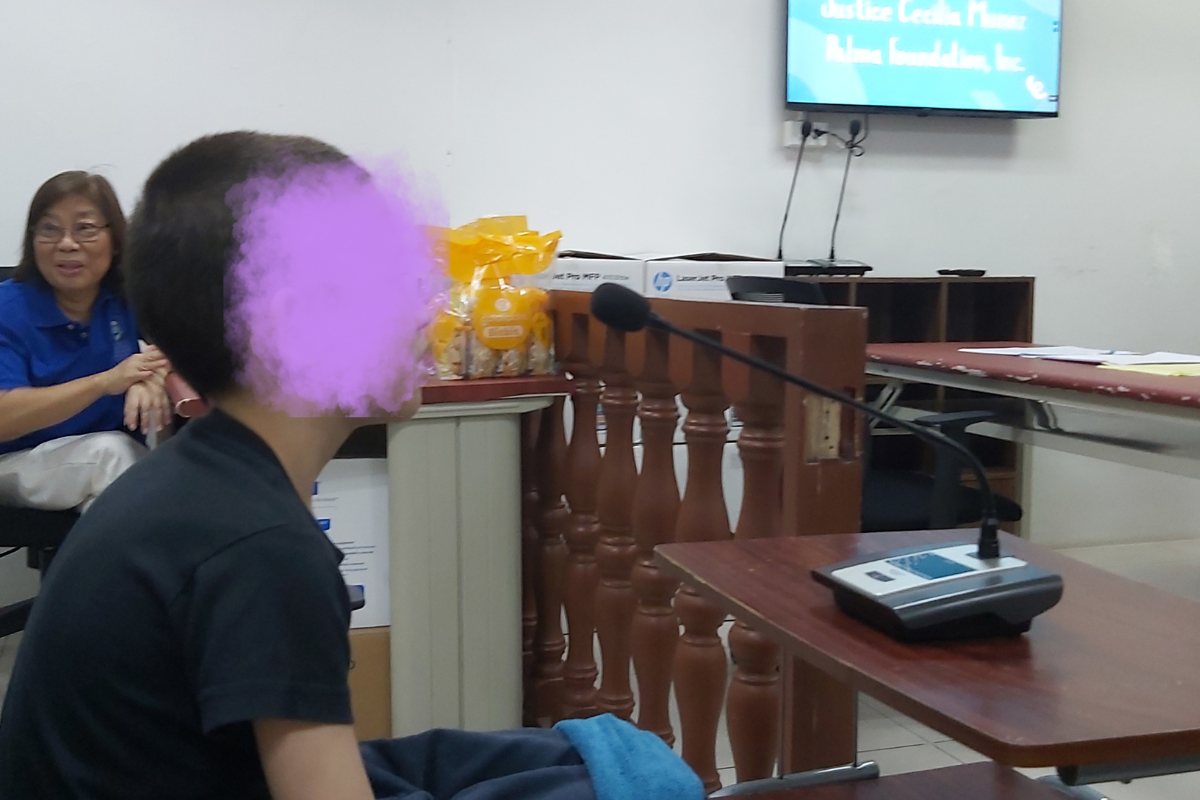
“Natutunan ko po kung paano ako tatanungin at paano ako sasagot. May mga tulong tulad ng manika kung nahihirapan magsalita. Masaya ako dahil nakita ko ang sarili ko sa TV at alam ko na ang gagawin ko kapag totoo na. Mas malakas na ang loob ko para ikuwento ang nangyari dahil nandiyan ang aking magulang at abogado. Kahit hindi man ako manalo, mahalaga na nagsasabi ako ng totoo.”
– Female, 12 years old
“Ang judge ay nakaupo sa gitna at may mga tao sa gilid. Nabawasan ang takot at kaba ko sa pagsasabi ng nangyari. Masaya ako dahil kaunti lang ang tao at may abogado.”
– Female, 15 years old

From Social Worker:
“The topic was well explained by the court personnel. The way they explained it made it understandable for the children. It is a big help on our part because we also gained additional knowledge and learnings.” – Ms. Honeylene Mae D. Laporre, Social Welfare Officer
Conclusion:
The KTCAP session successfully provided children and their support systems with a clearer understanding of court processes in a safe and supportive environment. Through courtroom orientation and mock trial activities, the program helped reduce fear, build confidence, and strengthen awareness of judicial procedures.
Through initiatives like KTCAP, the Justice Cecilia Muñoz Palma Foundation continues to promote child-sensitive justice and empower children to participate meaningfully in legal proceedings.
About KTCAP
“The Kids and Teens Court Awareness Program (KTCAP) is a collaborative initiative designed to empower child and teen victims or witnesses of abuse and exploitation. Its goal is to prepare them for court appearances while easing the fear, anxiety, and uncertainty often associated with legal proceedings. Inspired by the King County Kids’ Court in Seattle and thoughtfully adapted for the Philippine context, KTCAP helps young participants understand the justice system, their role in it, and how to navigate courtroom processes with confidence and clarity.
The Justice Cecilia Muñoz Palma Foundation (JCMPF), in collaboration with the Center for the Prevention and Treatment of Child Sexual Abuse (CPTCSA) and Action Against Violence and Exploitation, conducts the Kids and Teens Court Awareness Program (KTCAP).
Every child has the right to be heard. KTCAP is helping make that possible—one empowered child at a time.”