
When a Child Enters a Courtroom, Let Them Know They Are Not Alone
July 23, 2026 | Family Court Branch 5, Mandaluyong City
For a child, a courtroom can be an intimidating place.
There are unfamiliar faces, unfamiliar words, and procedures that may be difficult to understand. For a child who may one day have to testify about something painful that happened to them, the experience can be even more frightening.
But what if a child could enter that courtroom already knowing what to expect?
What if they knew who the people around them were, understood what would happen, knew their rights, and felt that there were adults ready to support them?
This is at the heart of the Kids and Teens Court Awareness Program (KTCAP) of the Justice Cecilia Muñoz Palma Foundation, Inc. (JCMPFI).
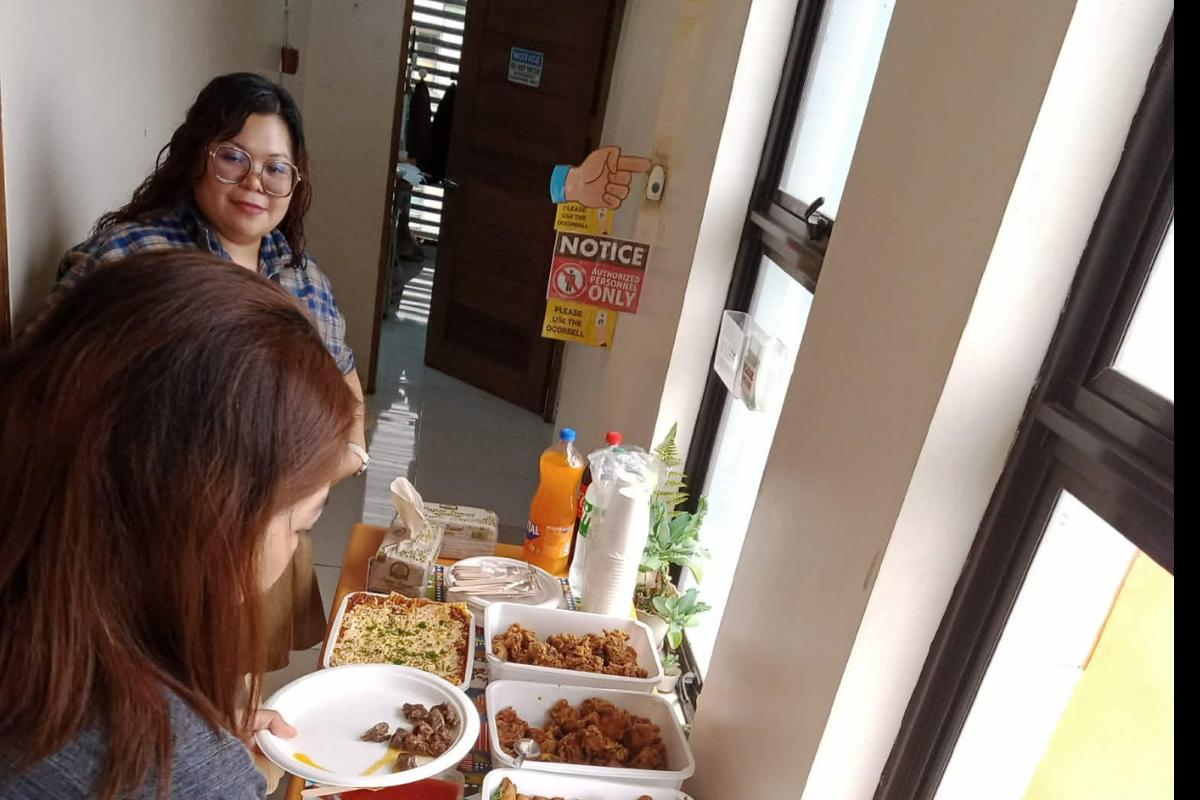
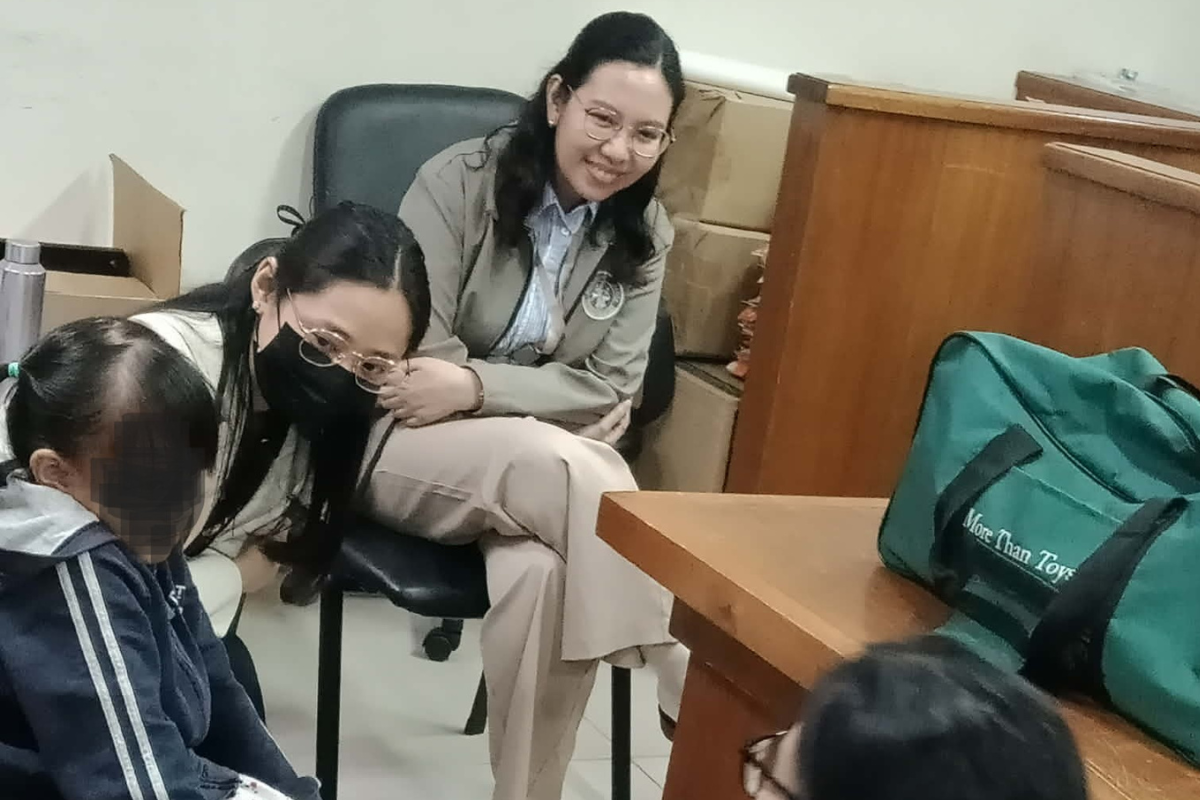
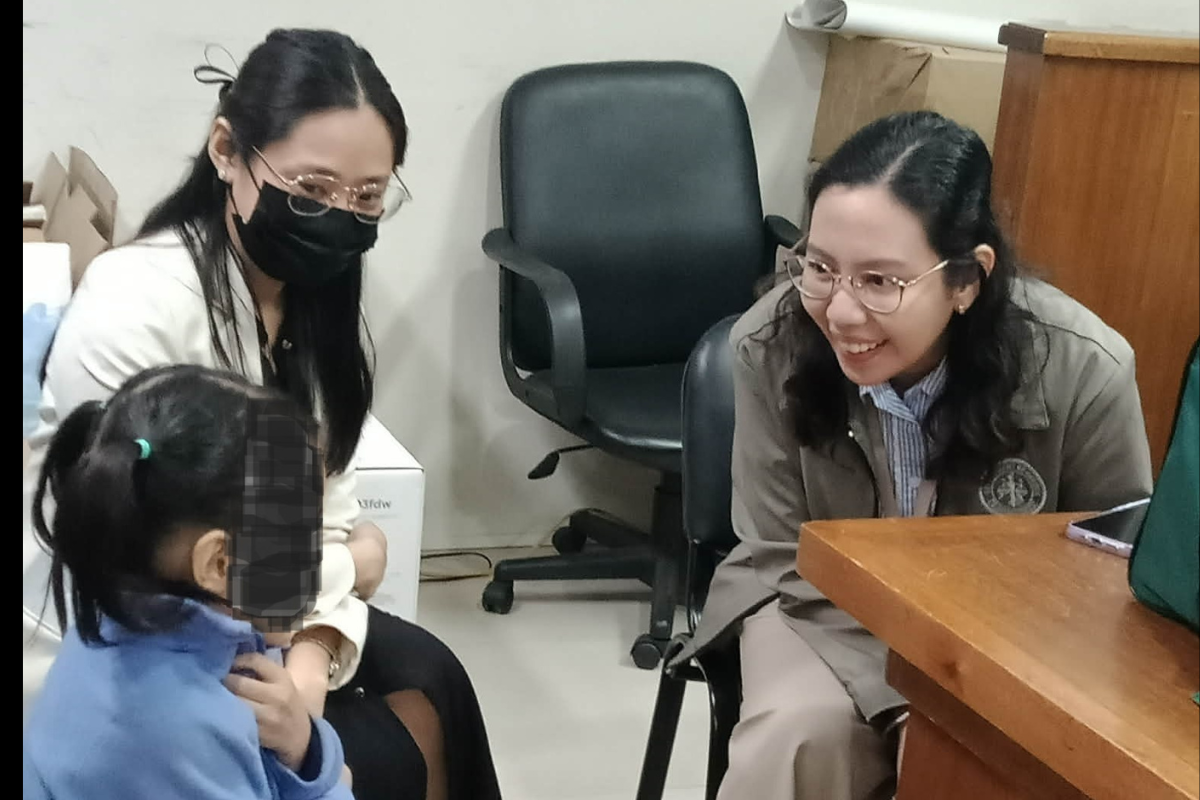
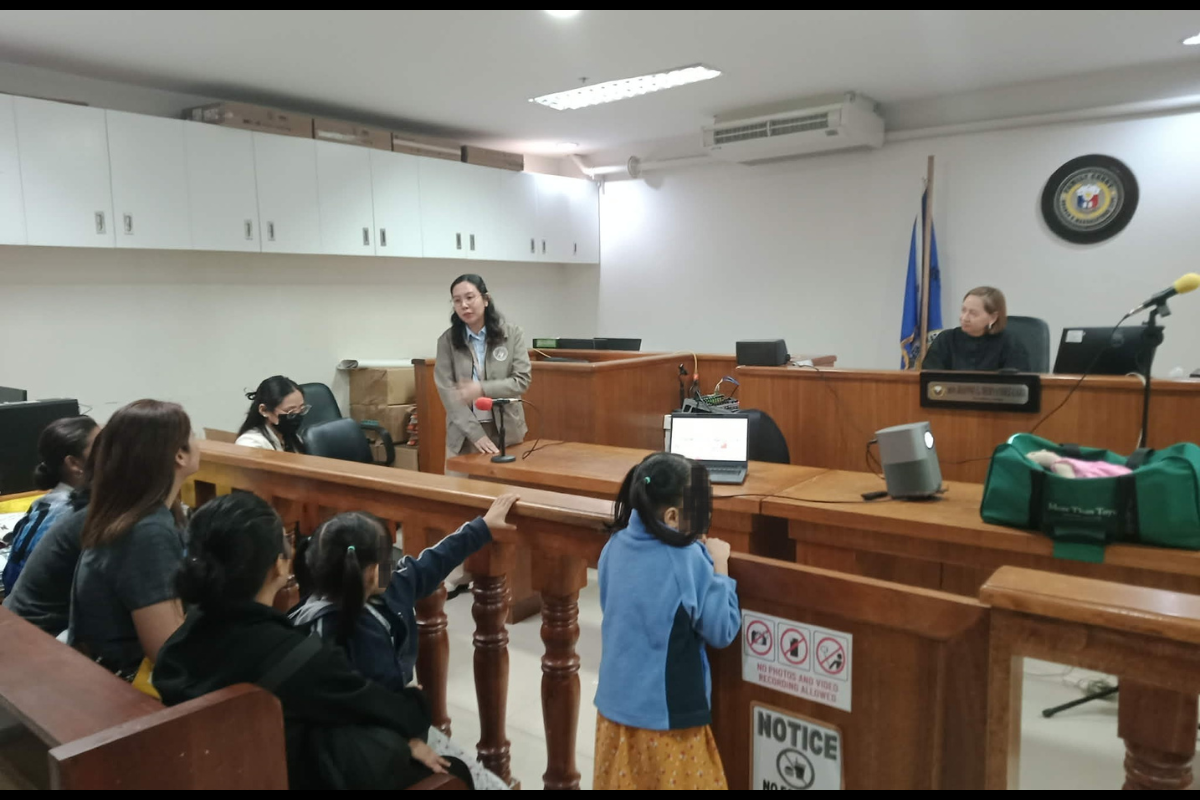
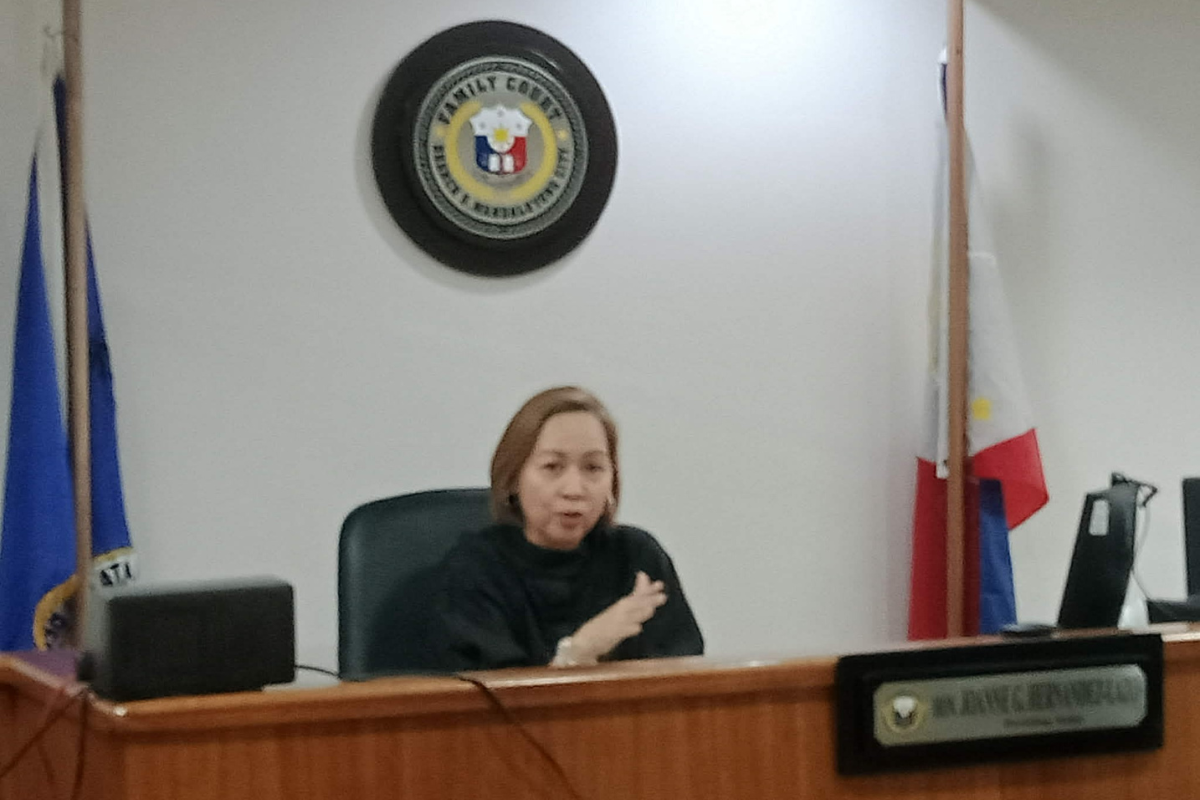
On July 23, 2026, KTCAP conducted a child-centered educational court session at Family Court Branch 5, Mandaluyong City, presided over by Hon. Joanne G. Hernandez-Lazo, with Atty. Alain Kris (AK) Concepcion, Branch Clerk of Court.
The session welcomed children and accompanying adults from the Makati Social Welfare Department (MSWD) and gave them an opportunity to become familiar with the courtroom and the justice process in a way that was appropriate, understandable, and less intimidating.
Making the Courtroom Less Frightening
The children were introduced to the people they may encounter in court—the judge, prosecutor, defense counsel, court interpreter, stenographer, branch clerk of court, and other court personnel.
More importantly, they learned what these people do and why they are part of the justice process.
The children were encouraged to ask questions whenever something was unclear.
They were also given an important reassurance: if they genuinely do not know the answer to a question, it is okay to say, “I don’t know.”
That simple message can make a difference to a child who may feel pressured to have all the answers.
Preparing Children to Testify
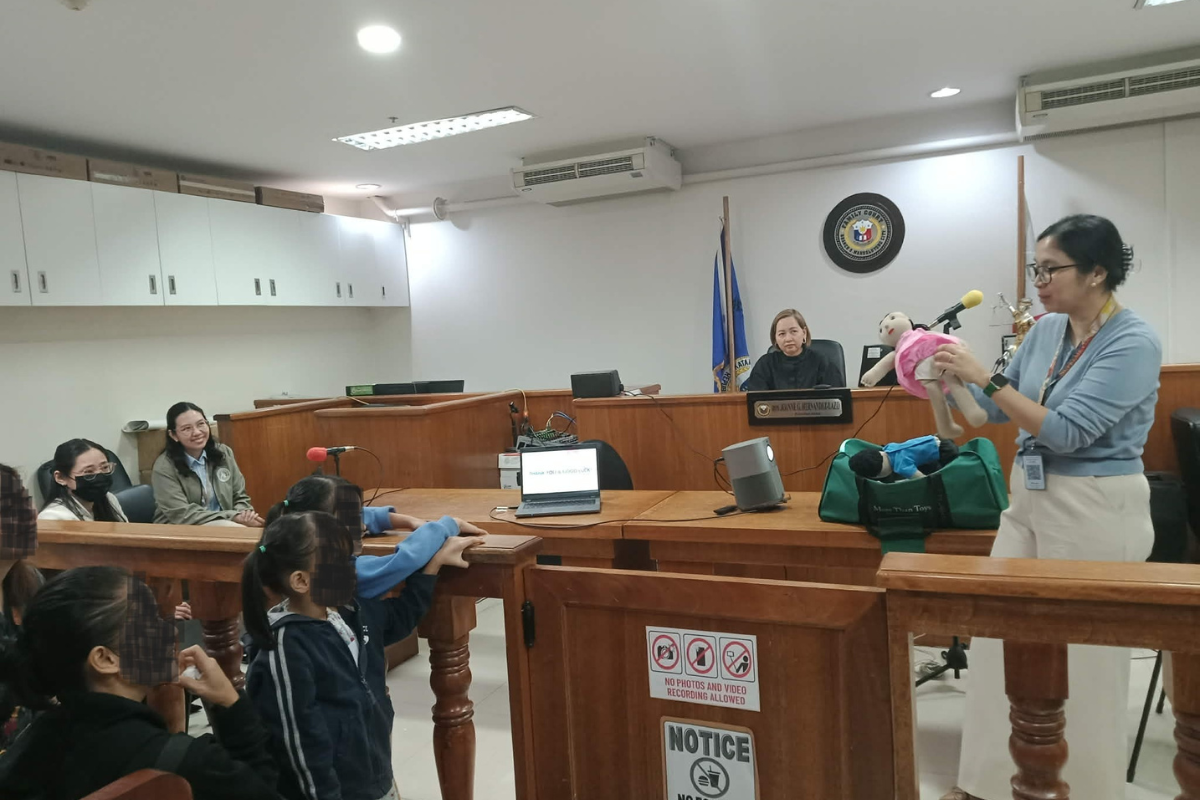
The session also focused on what children can expect if they are called to testify.
They learned that witnesses are expected to tell the truth, listen carefully to questions, and answer as clearly and honestly as they can.
They were introduced to the kinds of questions they may encounter and were reminded that they can ask for clarification when they do not understand what is being asked.
They were also reminded that if they realize they have made a mistake in an earlier answer, they should not be afraid to correct or clarify it.
The message was simple:
• Always tell the truth.
• Listen carefully.
• Speak loudly and clearly.
• And ask when you do not understand.
Knowing That They Have Rights and Protection
KTCAP also helped the children understand that they have protection as child witnesses.
Depending on the circumstances, a child may have a support person, such as a parent or social worker, with them while answering questions.
The court may also make arrangements to help prevent a child from directly facing the accused. The children were introduced to live-link testimony, which may allow a child to testify from another room or location.
Most importantly, they were reminded that no one should intimidate, threaten, shout at, or otherwise frighten a child witness while they are testifying.
For children, knowing these things can replace some of the fear of the unknown with a sense of security and preparedness.
Understanding the Justice Process
The children and accompanying adults were also given an overview of the basic stages of criminal proceedings, including arraignment, pre-trial, trial, presentation of evidence, and judgment.
The discussion helped make the process easier to understand and emphasized that every case is different and that its outcome depends on the circumstances and evidence presented.
The children were also reminded that they may receive a subpoena when their testimony is required.
A Conversation That Mattered
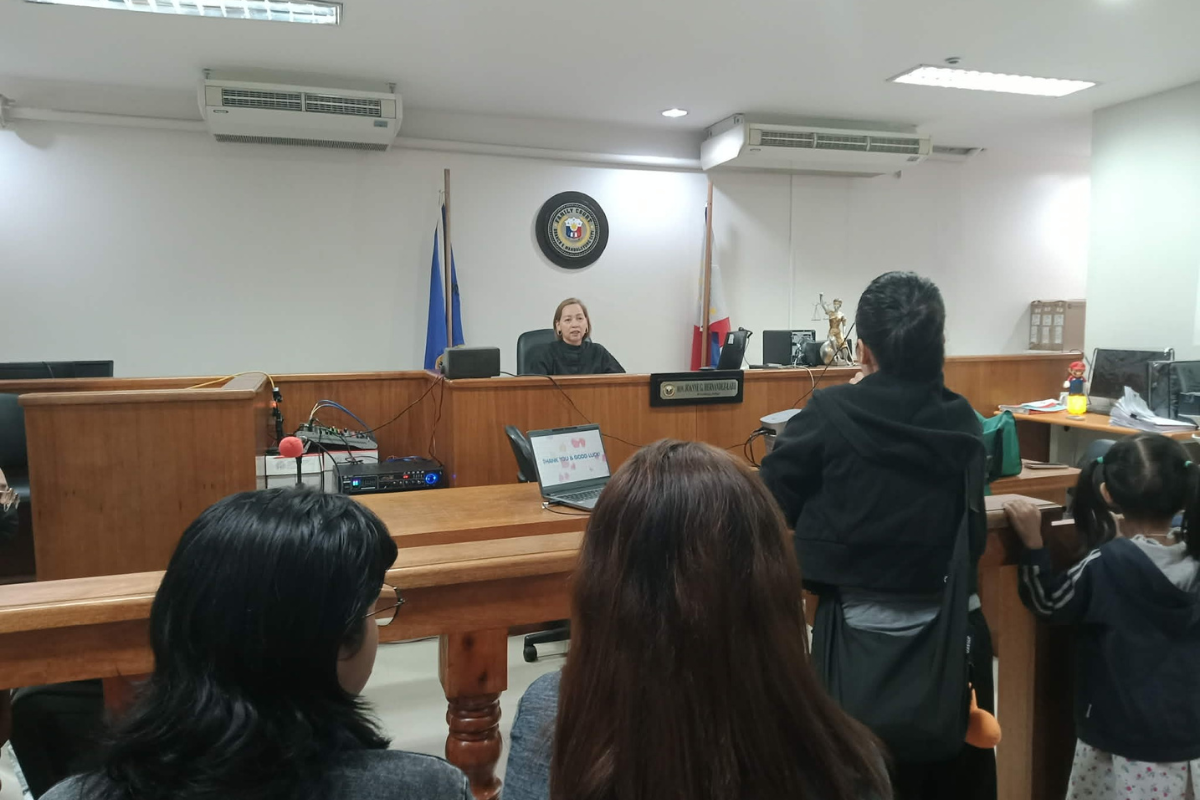
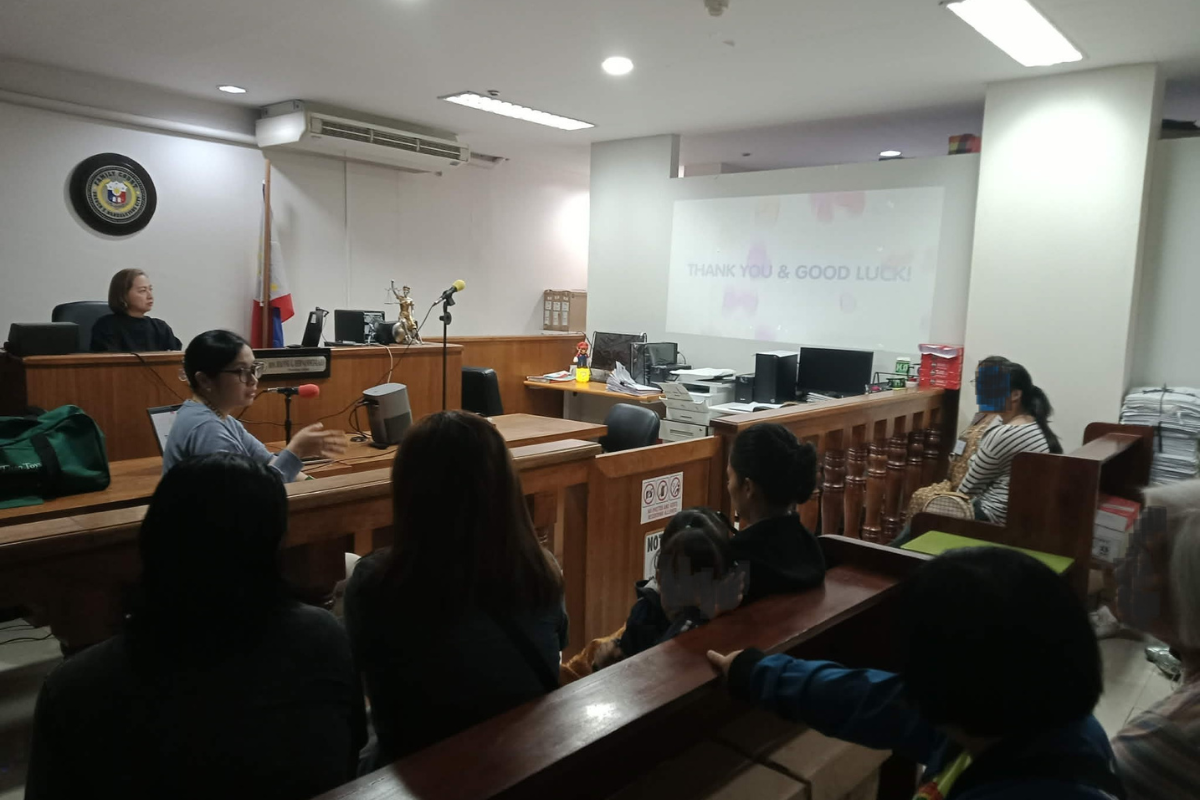
The educational session became an opportunity not only to learn, but also to ask questions.
A meaningful Question-and-Answer dialogue followed with Judge Joanne G. Hernandez-Lazo, Assistant City Prosecutor Maria Elena Dimaguila, representatives from the Office of the City Prosecutor of Mandaluyong, and Atty. Patricia Mikaela Barredo of the Public Attorney’s Office (PAO).
Questions touched on pre-trial proceedings, child witnesses, delayed disclosure, witnesses who receive disclosures from children, psychological and medical assessments, determination of age and capacity, and the importance of filing cases in the proper court.
These conversations matter because children and the adults who care for them often carry questions and fears that cannot be answered by simply reading a legal provision.
Sometimes, what they need is someone to explain.
Someone to listen.
Someone to tell them, “You are not alone.”
A Child’s Words That Stayed With Us
Perhaps the most memorable moment of the session came from one of the young participants.
A 12-year-old girl shared: “Wag matakot na magsampa ng kaso kapag may ginawa sa’yo’ng mali ang isang tao.”
Her words are simple, but powerful.
They remind us that child-friendly justice is not only about procedures, rules, or legal safeguards.
It is also about courage.
It is about helping a child understand that speaking up is not something to be ashamed of.
And it is about building a justice system where a child can seek help without feeling alone or afraid.
A social worker who participated in the session, Ann Loraine F. Red, RSW, also reflected on the experience: “The court visit was a positive experience, and everyone was very friendly toward children. The court visit refreshed my knowledge of the court process.”
That experience is precisely what KTCAP hopes to encourage.
More Than a Court Visit
KTCAP is not simply about teaching children what happens inside a courtroom.
It is about helping them become informed, prepared, and more confident participants in the justice process.
It is about helping children understand their rights.
It is about making the unfamiliar a little less frightening.
And it is about reminding every child that their voice matters.
When a child enters a courtroom, we should not see only a witness.
We should see a child whose voice matters.
A child whose rights must be protected.
A child who deserves to be heard.
Through KTCAP, JCMPFI continues to work with courts, prosecutors, social workers, lawyers, and other partners to help create a justice experience that is more understandable, supportive, and child friendly.
Because ultimately, child-friendly justice is not simply about changing the courtroom.
It is about changing how a child feels when they enter it.
From fear to understanding.
From uncertainty to preparedness.
From silence to having the confidence to speak.
And from feeling alone to knowing that there are people who will stand beside them.
Every child deserves justice.
Every child deserves protection.
Every child’s voice deserves to be heard.
ABOUT KTCAP
The Kids and Teens Court Awareness Program (KTCAP) is a flagship initiative of the Justice Cecilia Muñoz Palma Foundation (JCMPF), implemented in partnership with Family Courts, prosecutors, social workers, and child protection advocates nationwide. The program prepares child victims and witnesses for court by helping them understand the justice process, reducing fear and anxiety, and empowering them to participate with confidence while promoting a more child-friendly justice system.