
Courtroom Visit and Orientation for Children and Social Workers
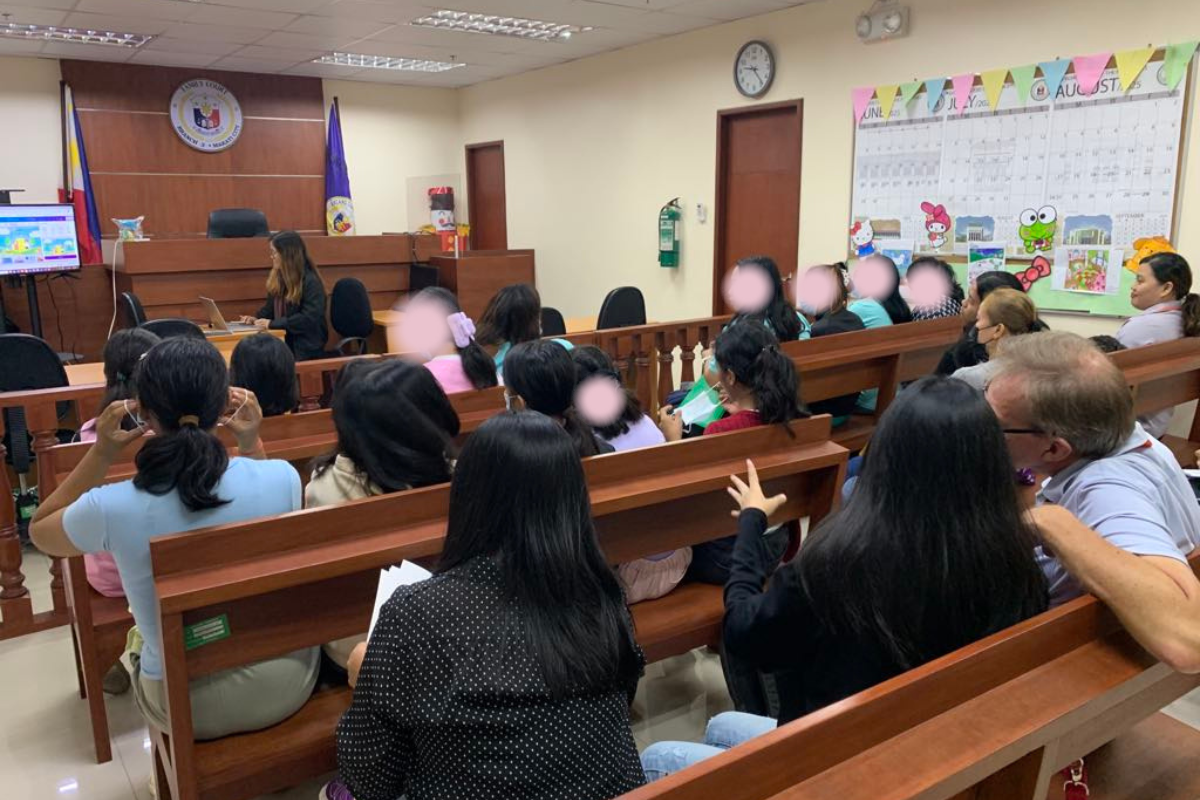
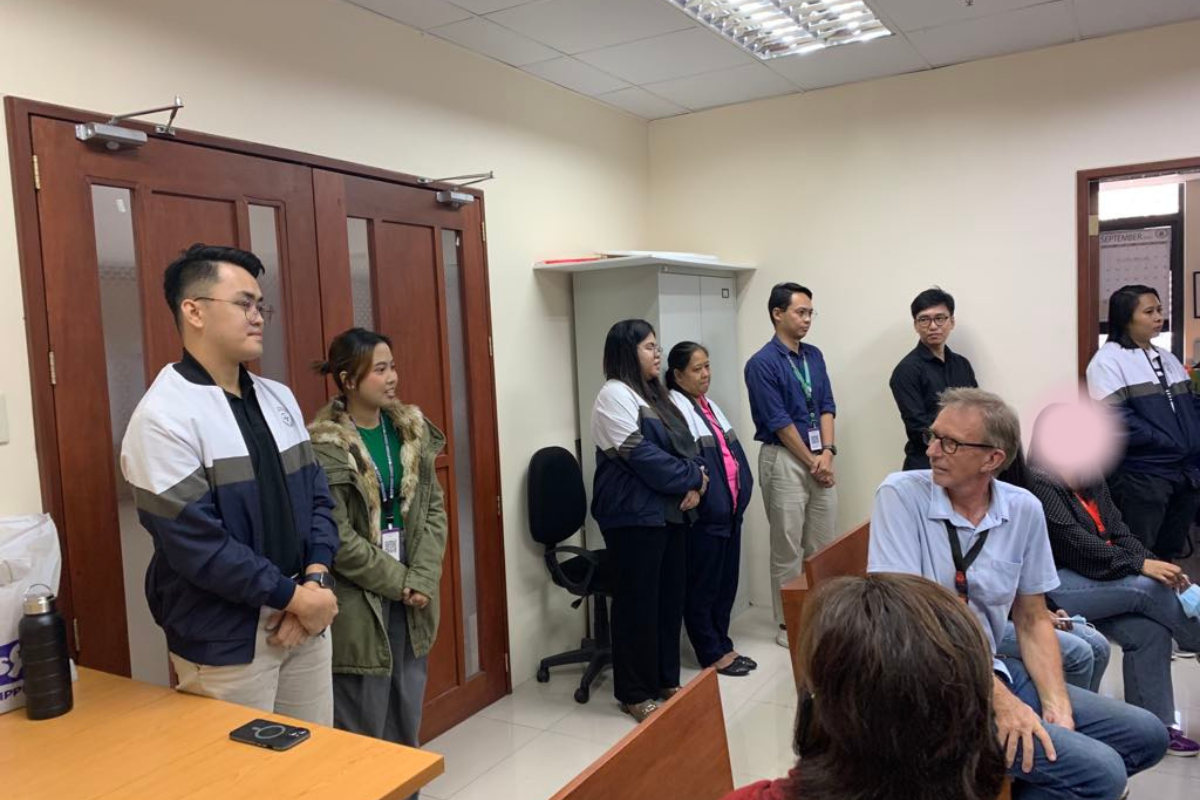
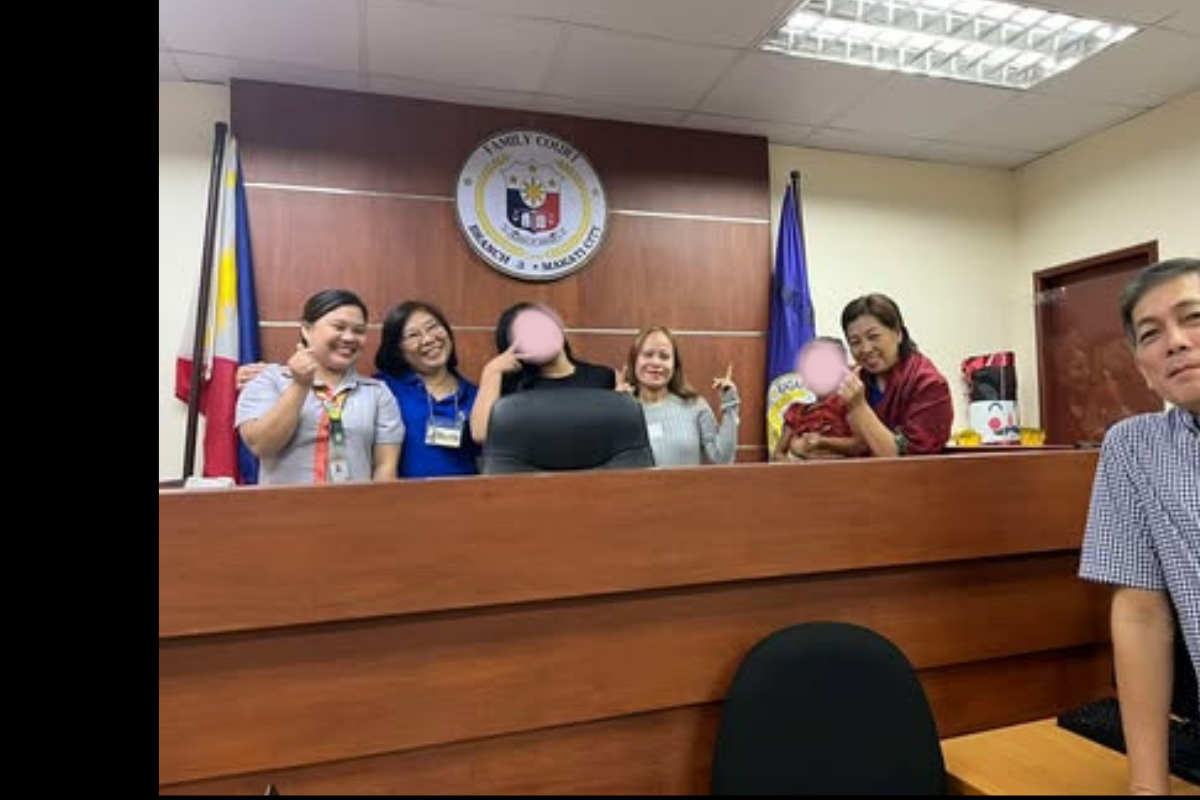
On April 22, 2025, Honorable Robert Victor C. Marcon, presiding judge of Family Court Branch 3 in Makati City, welcomed 11 kids and 14 social workers, parents, guardians, house parents, guardians, and staff from Shine Philippines Ministry Group Inc., Fresh Hope for Families Philippines, Inc., and the Caloocan City Social Development Center–Tahanang Mapagkalinga. The court session was designed to give the participants a better understanding of courtroom procedures and the rights of individuals involved in legal proceedings.
Introduction by Judge Marcon and Court Personnel
To begin the session, Judge Marcon and his court personnel introduced themselves and explained their respective roles in the courtroom. They emphasized how each person works together within their duties to ensure that justice is served fairly and efficiently.

Video Dramatization: Learning Through Visuals
A video dramatization of an actual court proceeding—described as like a soap opera or K-drama—was shown to help participants visualize how a case progresses in court. Judge Marcon guided the participants through the scenes, explaining each stage and its legal importance.
Emphasis on Due Process and Fair Judgment
He reminded everyone of the foundational principle of due process and the balance of rights between complainants and the accused. Judge Marcon said:
“If someone has done something bad to you, you have the right to fight for it—that is your right, right? But on the other hand, the person we are accusing also has the right to defend themselves. Not everything that is said or filed as a complaint is automatically true. That’s why your testimonies are important, they help us understand what really happened. From there, we make our judgment. We don’t make decisions right away without evidence. That’s due process. No one should be judged without evidence.”
Open Forum and Q&A
During the open forum, Judge Marcon thoughtfully responded to the concerns of the participants.
Addressing Delays in the Justice System
Mr. Jan Willem Ypma, CEO of Shine Philippines Ministry Group Inc., raised a question that reflected the frustrations of many families:
“In our experience, it sometimes takes 3 years before a case even starts, and another 3 years before it’s resolved—even when there’s already evidence or clear documentation. Why does it take so long?”
Judge Marcon acknowledged the concern and explained that the pace of legal proceedings depends heavily on the location and availability of court officials. In Metro Manila, proceedings tend to move more quickly because of the availability of judges, prosecutors (fiscals), and public attorneys. In contrast, in many provinces, the situation is different:
“Before coming to Makati, I served in Quezon Province for 4 ½ years and handled over 1,000 cases. There simply weren’t enough judges, fiscals, or public attorneys. In some areas, complainants live far from the court and cannot afford transportation, so they’re forced to prioritize basic needs over attending hearings. That’s why cases get dismissed or delayed.”
Judges Serving Multiple Courts
He also shared how judges are sometimes assigned to multiple courts:
“In Pasig, for example, there is currently no judge due to retirement. So I’m also being lent there two days a week. My time is divided between Makati and Pasig. It’s challenging, especially when courts don’t have permanent judges or when cases are reassigned to different branches. That’s why it’s so important for parties to keep pursuing their cases—because delays can make people lose hope.”
Voices from the Court Orientation: What Children and Social Workers Learned from KTCAP
Feedback from Child Participants – Shine Philippines Ministry Group Inc.
“Ang natutunan ko ay maging matatag sa bawat pagdating ng court hearing. Magsabi ng totoo, huwag matakot magsalita. Kung hindi mo talaga matandaan, puwede mo namang sabihin na hindi mo maalala. Nagpapasalamat ako sa Family Court dahil may session sila para sa mga batang may kaso. Gusto ko ring magpasalamat sa inyo—na-appreciate ko po ang mga effort ninyo.”
– Female, 12 years old
“Nang dumating ako sa korte, medyo kinakabahan ako. Pero pagpasok ko, naranasan kong maganda pala sa korte at marami akong natutunan. Natutunan ko na dapat magsabi ng katotohanan at huwag magsinungaling. Puwede rin palang sabihin sa Judge or abogado kung hindi mo maintindihan ang tanong, at puwede mo siyang pakiusapan na ulitin ito. Pinanumpa ako bilang halimbawa, at nasubukan ko rin ang pamukpok ng Judge—na senyales pala ng pagtigil kapag may hindi pagkakaintindihan. Masaya ako na nakapunta at naranasan kong makapasok sa loob ng korte.”
– Female, 14 years old
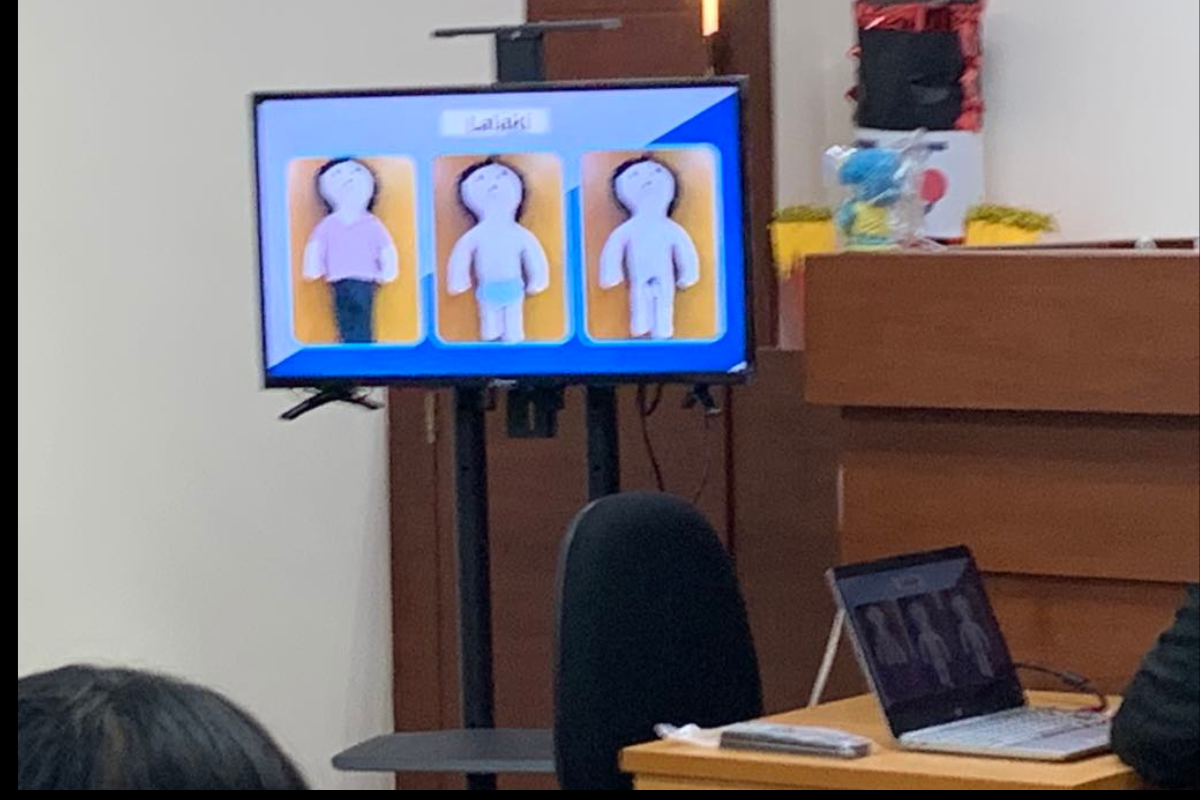
“Ang natutunan ko po ay magsabi ng totoo sa korte. Pinanood namin ang isang video kung saan marami akong natutunan. Sinabi rin nila na kung hindi kayang magsalita ng bata, puwedeng gumamit ng manyika upang maipakita ang nangyari. At kung natatakot makita ang akusado, may paraan para hindi ito makita ng bata. May panunumpa rin bago magsimula ang pagsasabi ng totoo.”
– Female, 17 years old
“Natutunan ko na huwag magsinungaling at pawang katotohanan lang ang dapat sabihin. Makinig nang mabuti sa mga tanong. Masaya ako kasi marami akong natutunan mula sa sinabi ni Judge Robert—na huwag matakot at magsabi lang ng totoo dahil kasama natin sila sa paglaban. Hindi ko na kailangang mangamba kasi maraming tao ang tumutulong sa atin. Huwag nating sayangin ang pagkakataon na makapunta sa korte—makinig nang maayos at siguraduhing tama ang sagot. May mga taong sa korte na may kanya-kanyang tungkulin:
“Sa pagdalo ng hearing, ayos lang ang kabahan at umiyak. Pero sa korte, kailangan handa ka at magsabi ng totoo. Malalaman ng Judge o ng mga abogado kung nagsasabi ka ng totoo. Sa korte, ligtas ka.”
– Female, 11 years old
Feedback from Social Worker – Shine Philippines Ministry Group Inc.
“I am honored to have participated in the KTCAP Session and to have experienced firsthand what it feels like to be inside a family court. The session helped me better understand the legal process, including court terms and how they are used. Activities like this are valuable not just for the teens, but also for us as caregivers.”
– Nora Abejero
Social Worker
Shine Philippines Ministry Group Inc.
Feedback from Child Participants – Fresh Hope for Families Philippines, Inc.
“Masaya po ako dahil marami po akong natutunan. Ang pinakanagustuhan ko ay nakilala ko po ang mga tao sa korte.”
– Female, 12 years old
“Masaya po ako kasi marami po akong natutunan. Ang pinakanagustuhan ko po ay ‘yung pag-explain ni Judge kung ano ang dapat gawin.”
– Female, 11 years old
“Masaya po ako kasi marami po akong natutunan. Pagkatapos ng KTCAP, nararamdaman ko na mas confident na ako sa sarili ko. Pakiramdam ko po ay handa na akong maipagtanggol ang aking sarili.”
– Female, 11 years old
“Pagkatapos ng KTCAP, naging confident po ako at masaya sa mga natutunan ko. Ang pinakanagustuhan ko ay ‘yung makinig kay Judge.”
– Female, 9 years old
Feedback from the Social Worker – Fresh Hope for Families Philippines, Inc.
“The program helps residents become more prepared in facing their legal cases with confidence. Additionally, it equips the staff with the necessary knowledge and skills to accurately and effectively respond to legal inquiries from the residents. Before, residents often felt anxious and overwhelmed about the status and outcome of their legal cases. However, after participating in KTCAP, they feel more confident and secure.”
– Lara Joyce O. Maglalang, RSW
Feedback from Child Participants – Caloocan City Social Development Center – Tahanang Mapagkalinga
“Ang natutunan ko sa KTCAP ay maging handa at tapat.”
– Female, 13 years old
Feedback from the Social Worker – Caloocan City Social Development Center – Tahanang Mapagkalinga
“KTCAP gives the children a perspective of how court proceedings are conducted, who the people inside the courtroom are, and who the judge is.”
– Idette Lobelle C. Villareal, RSW
About KTCAP
About KTCAP “The Kids and Teens Court Awareness Program (KTCAP) is a collaborative initiative designed to empower child and teen victims or witnesses of abuse and exploitation. Its goal is to prepare them for court appearances while easing the fear, anxiety, and uncertainty often associated with legal proceedings. Inspired by the King County Kids’ Court in Seattle and thoughtfully adapted for the Philippine context, KTCAP helps young participants understand the justice system, their role in it, and how to navigate courtroom processes with confidence and clarity.
The Justice Cecilia Muñoz Palma Foundation (JCMPF), in collaboration with the Center for the Prevention and Treatment of Child Sexual Abuse (CPTCSA) and Action Against Violence and Exploitation, conducts the Kids and Teens Court Awareness Program (KTCAP).
Every child has the right to be heard. KTCAP is helping make that possible—one empowered child at a time.”