
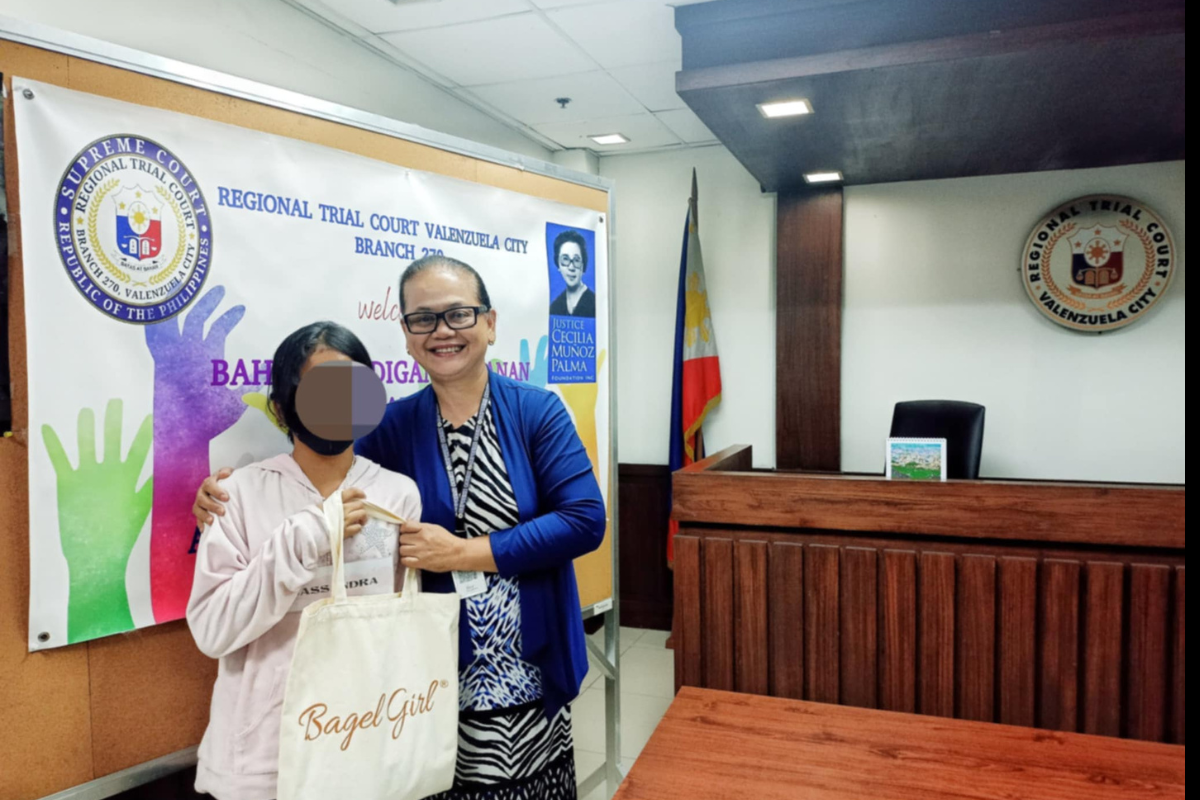
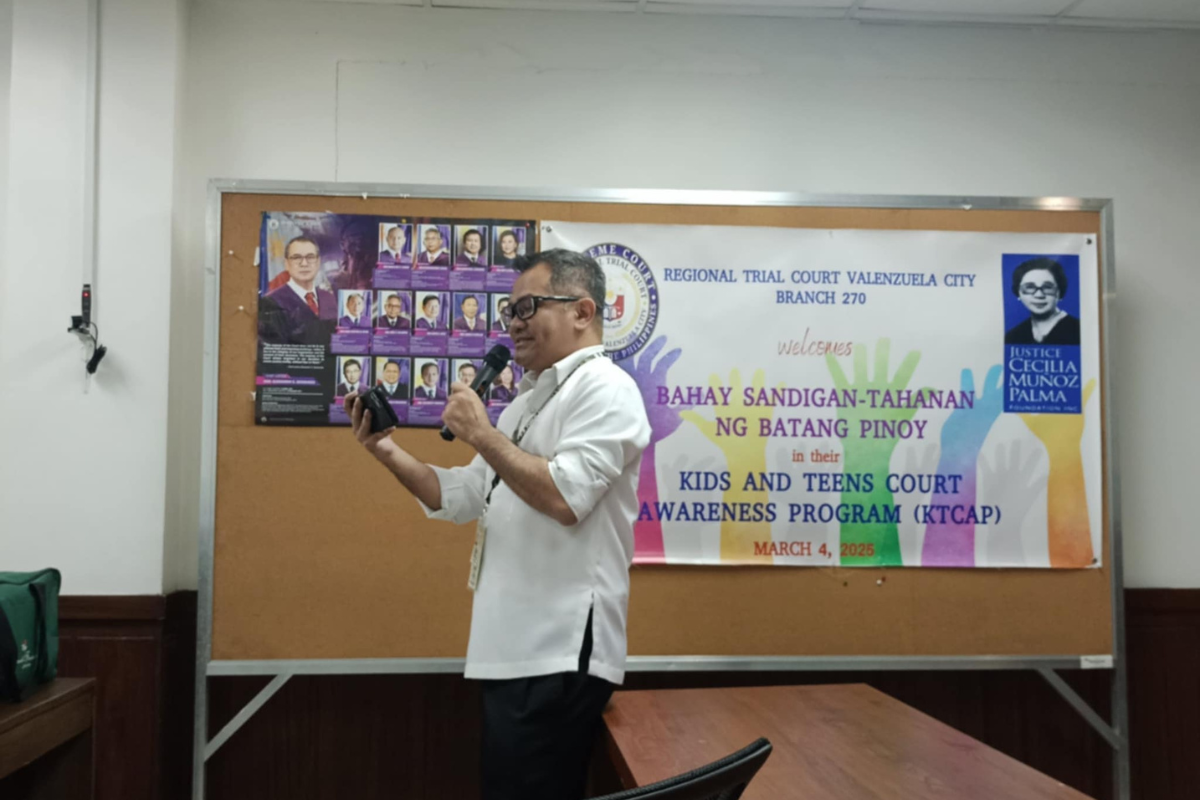
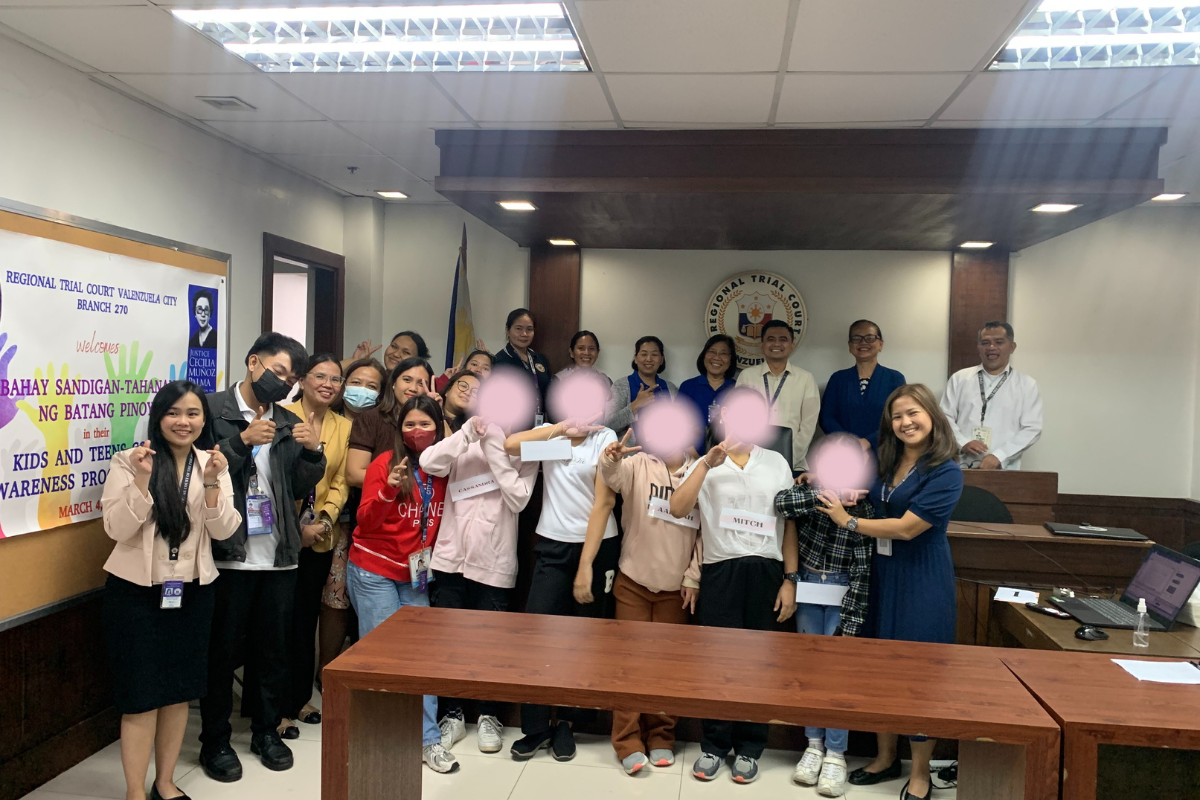
eThe Kids and Teens Court Awareness Program (KTCAP) session held at RTC Branch 270 in Valenzuela City on March 4, 2025, was facilitated by Executive Judge Hon. Evangeline S. Mendoza-Francisco. She was joined by her Branch Clerk of Court, Atty. Roca Regala, Atty. Anecto Francis Labalan of the Prosecutor’s Office and Atty. Dennis Kuong of the Public Attorney’s Office (PAO) and court staff who all shared their roles and experiences in the court process. The KTCAP session was participated in by five (5) girls and five (5) social workers from the Malabon Bahay Sandigan – Tahanan ng Batang Pinoy and Diocese of Novaliches
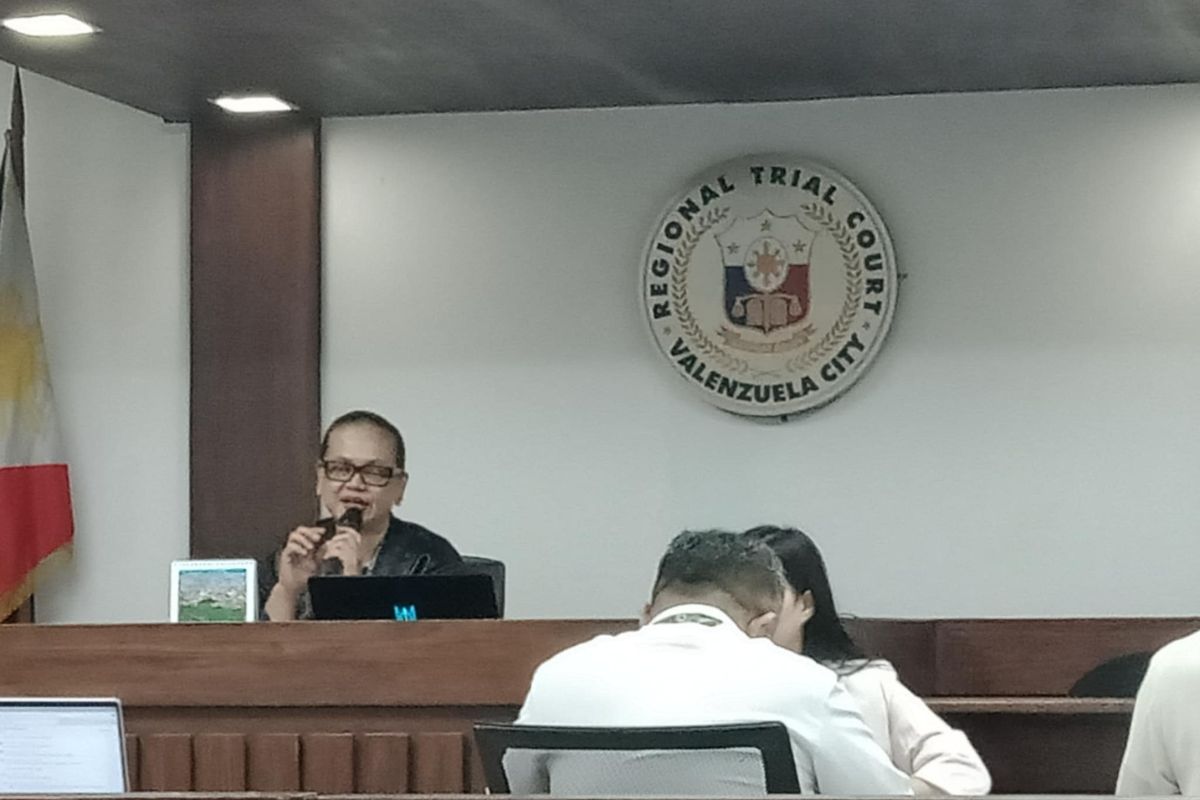
Judge Mendoza-Francisco warmly welcomed the children and their guardians with a heartfelt message:
“Whether you know it or not, you didn’t sleep well last night—you lacked sleep, thinking about what will happen. However, don’t worry; you’re here to gain knowledge. Remember that knowledge is power. So don’t be shy about asking questions or expressing what’s in your heart. That is where learning begins. You are here to grow—not just in knowledge, but in strength of heart, mind, and spirit.”
Key Learning Points on Court Procedures
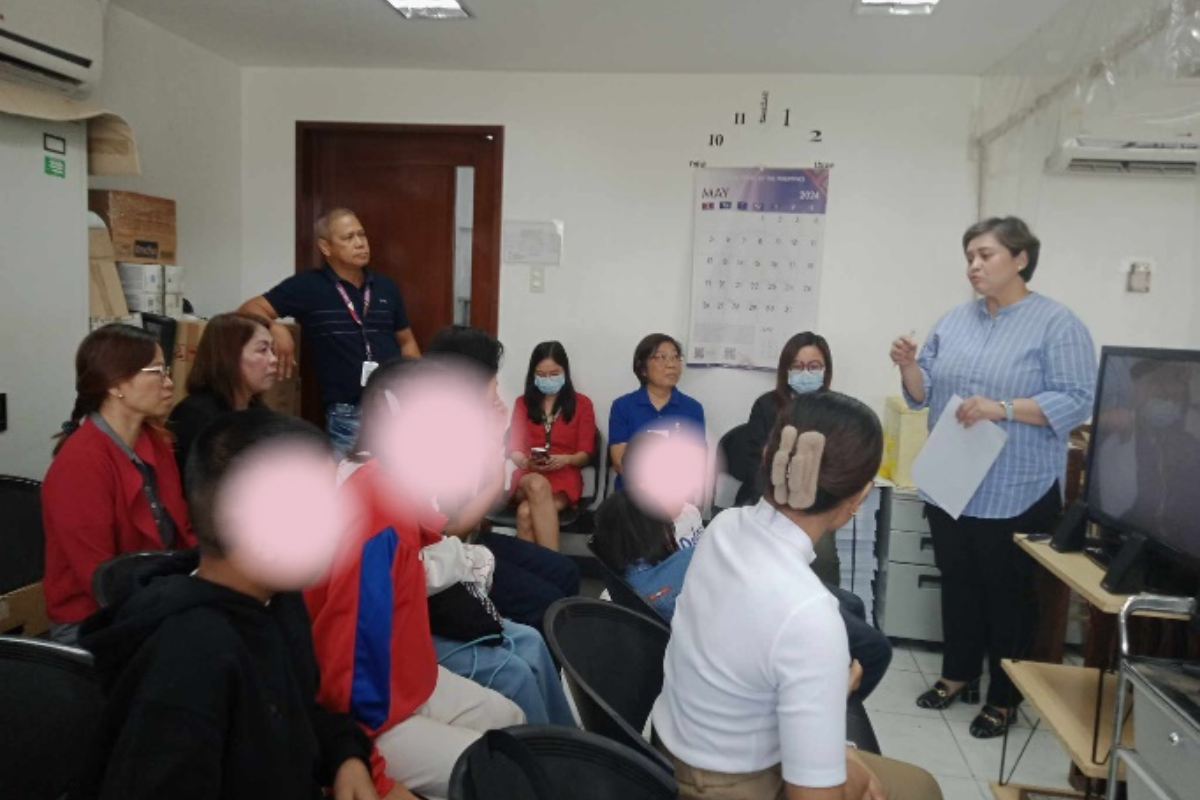
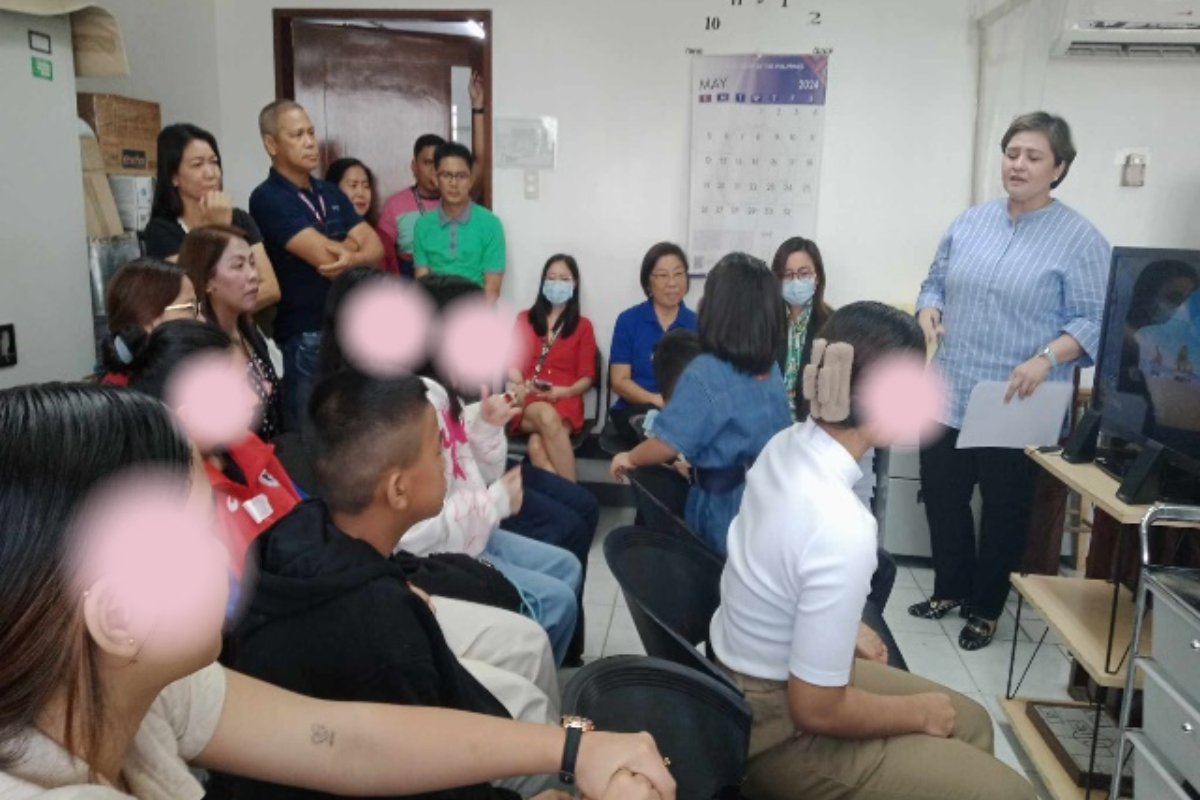
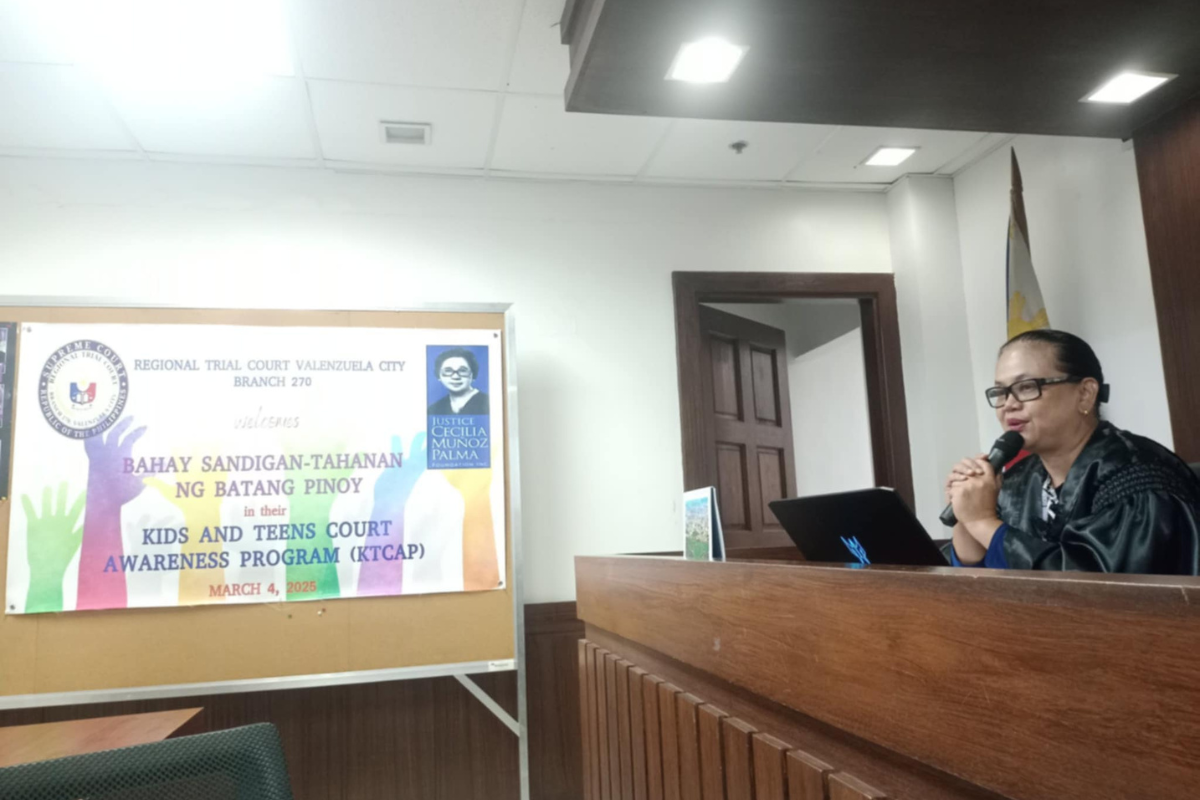
During the KTCAP session at RTC Branch 270, children and their guardians learned about the essential stages of a criminal court proceeding. The session, led by the Prosecutor and the Public Attorney, aimed to help participants understand what happens before, during, and after a trial.
Child Protection and Safe Spaces in Court
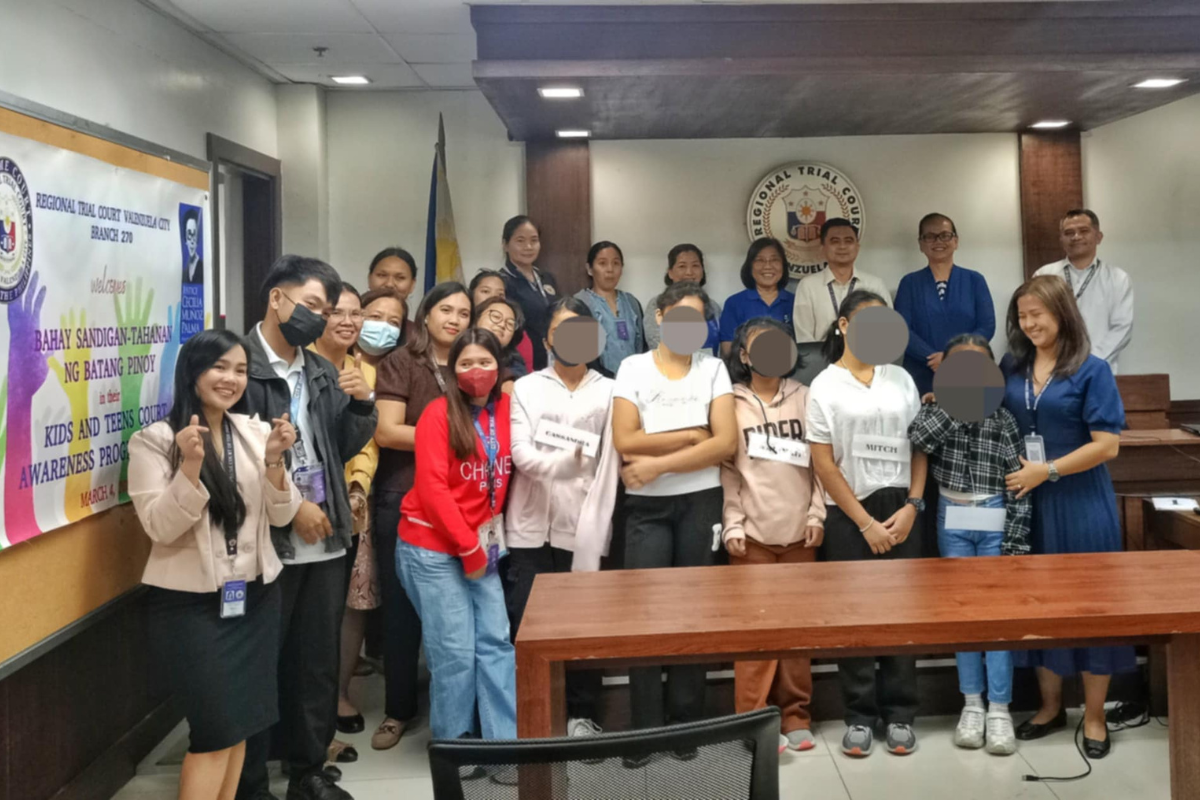
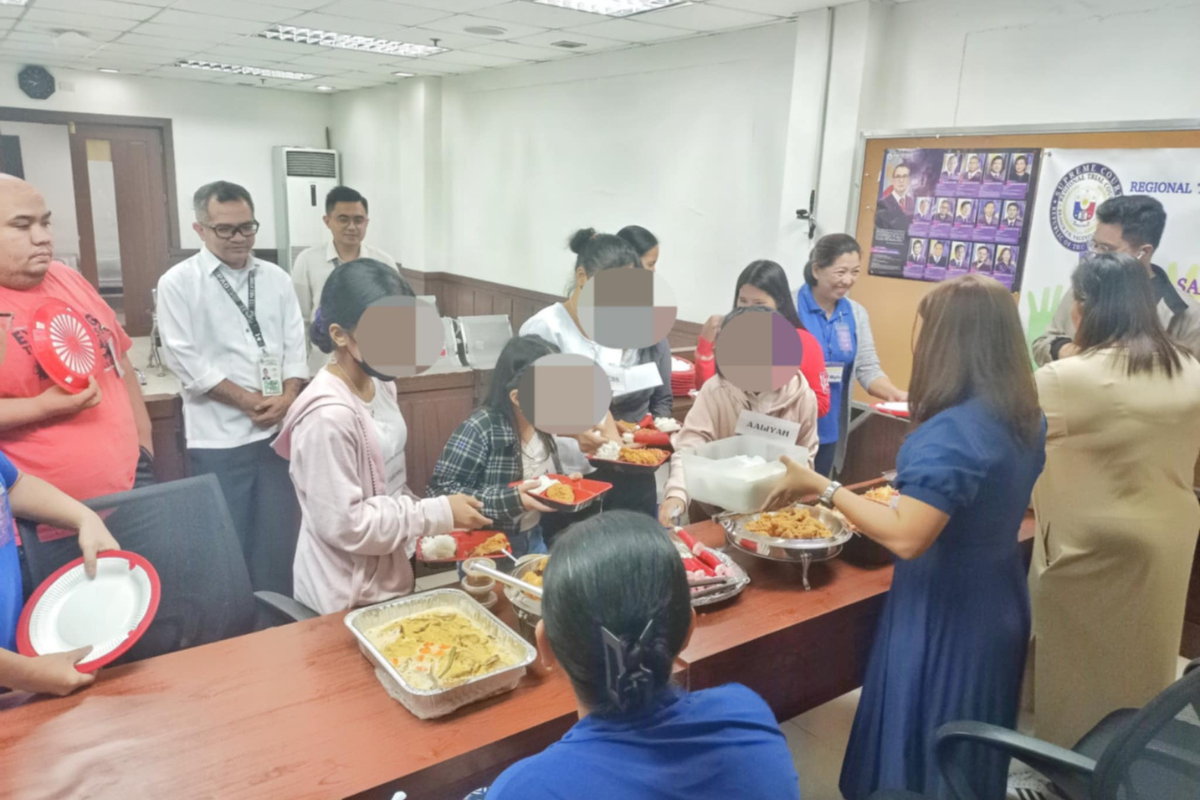
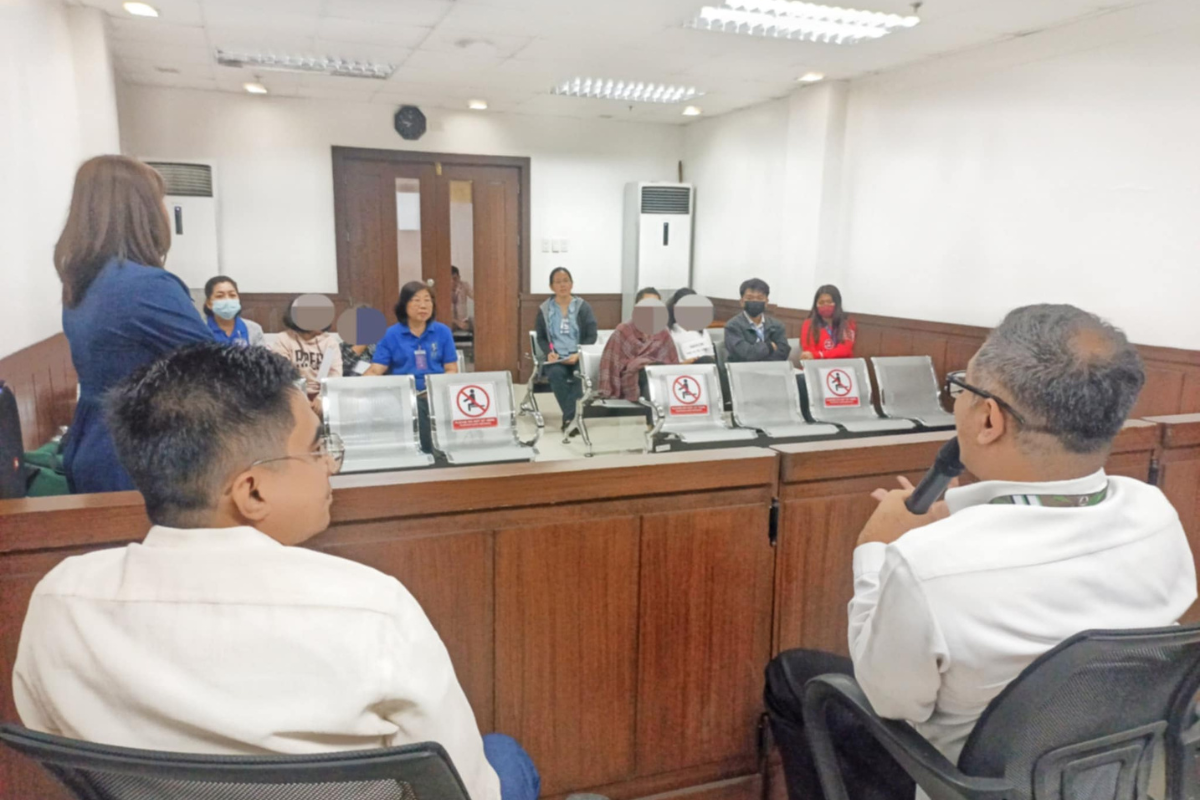
One of the most important lessons shared during the KTCAP session at RTC Branch 270 was how the court prioritizes the safety and well-being of child witnesses. Executive Judge Evangeline S. Mendoza-Francisco and the court personnel emphasized that the justice system has protective mechanisms in place to support children throughout the legal process.
“If you are afraid to see the person you are testifying against, let the court personnel or social worker know right away. We will find a way to help you. Your safety is our priority.”
— Hon. Evangeline Mendoza-Francisco
Presiding Judge
RTC Branch 270, Valenzuela City
Participants observed actual court hearings and joined a Q&A session with court officials.
One child asked: “What if I don’t want to see the person I’m complaining about?”
Response of Judge Mendoza-Francisco:
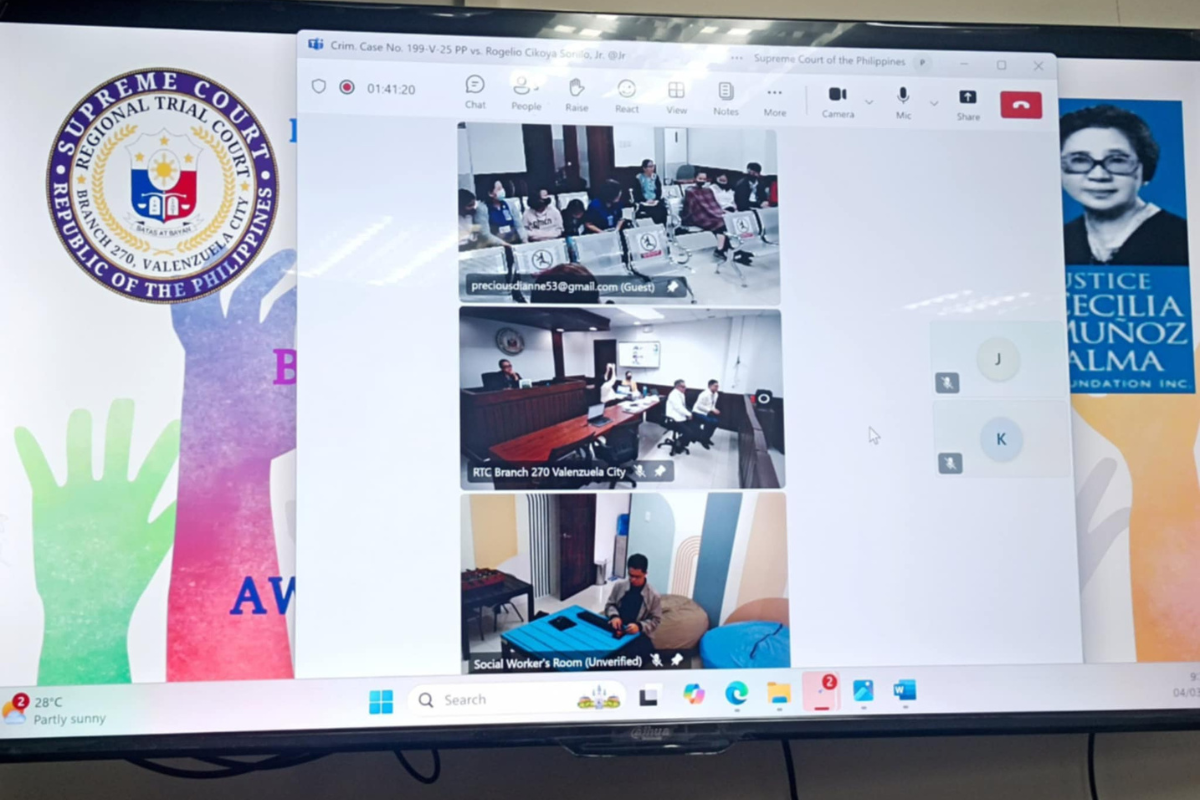
“If you’re feeling scared, that’s okay. We understand. What’s important is that we have rules and ways to keep you safe. In our court, children can testify from a separate room using a live video link, so they don’t have to face the person who hurt them. Not all courts have this equipment yet—but don’t worry. Judges and court staff will always find ways to protect you.
You will not be harmed. Your safety and comfort are our priority. If you’re ever scared or uncomfortable, just tell us. We will listen and help right away.”
Feedback about KTCAP from Hon. Evangeline Mendoza-Francisco
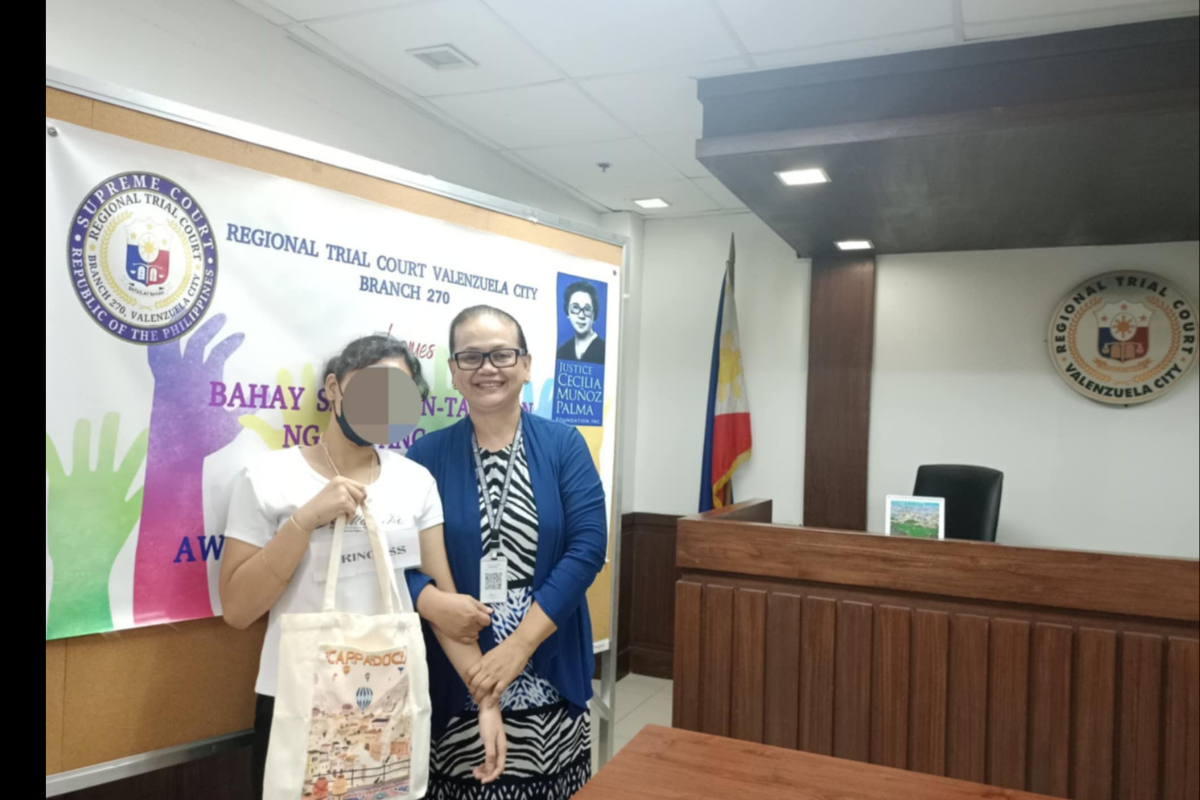
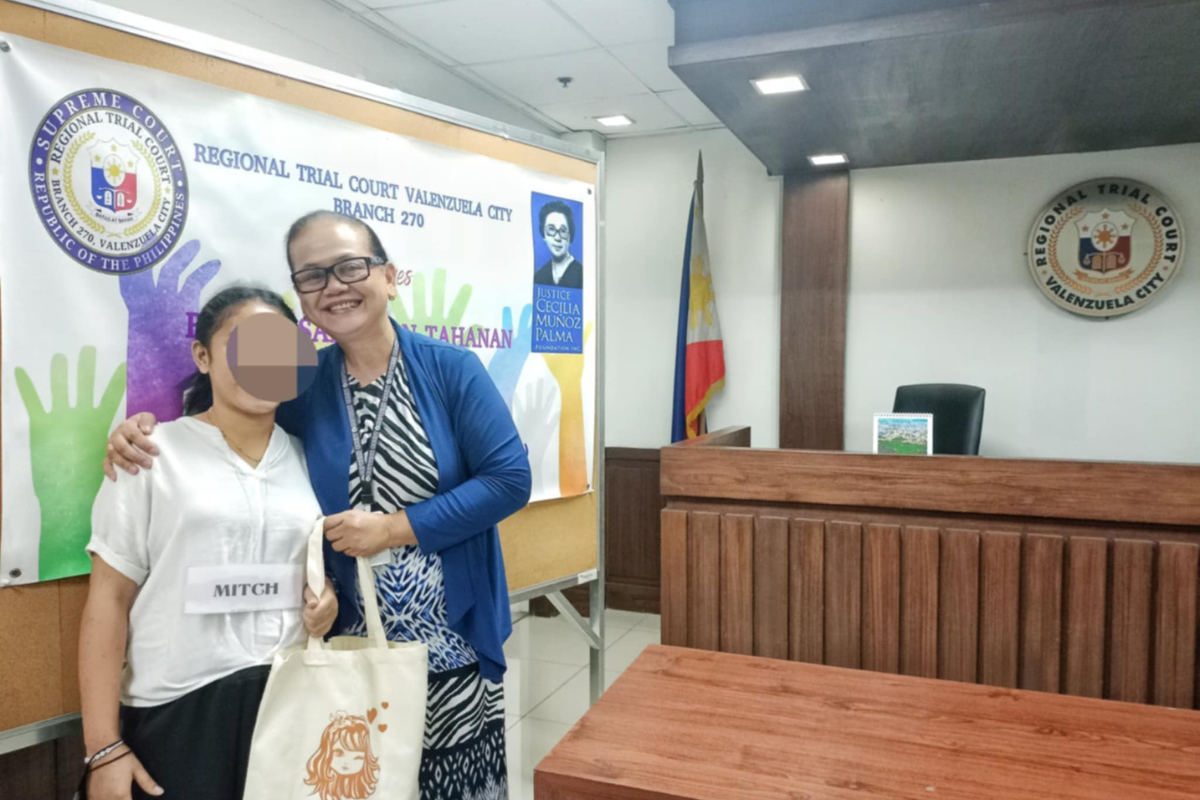
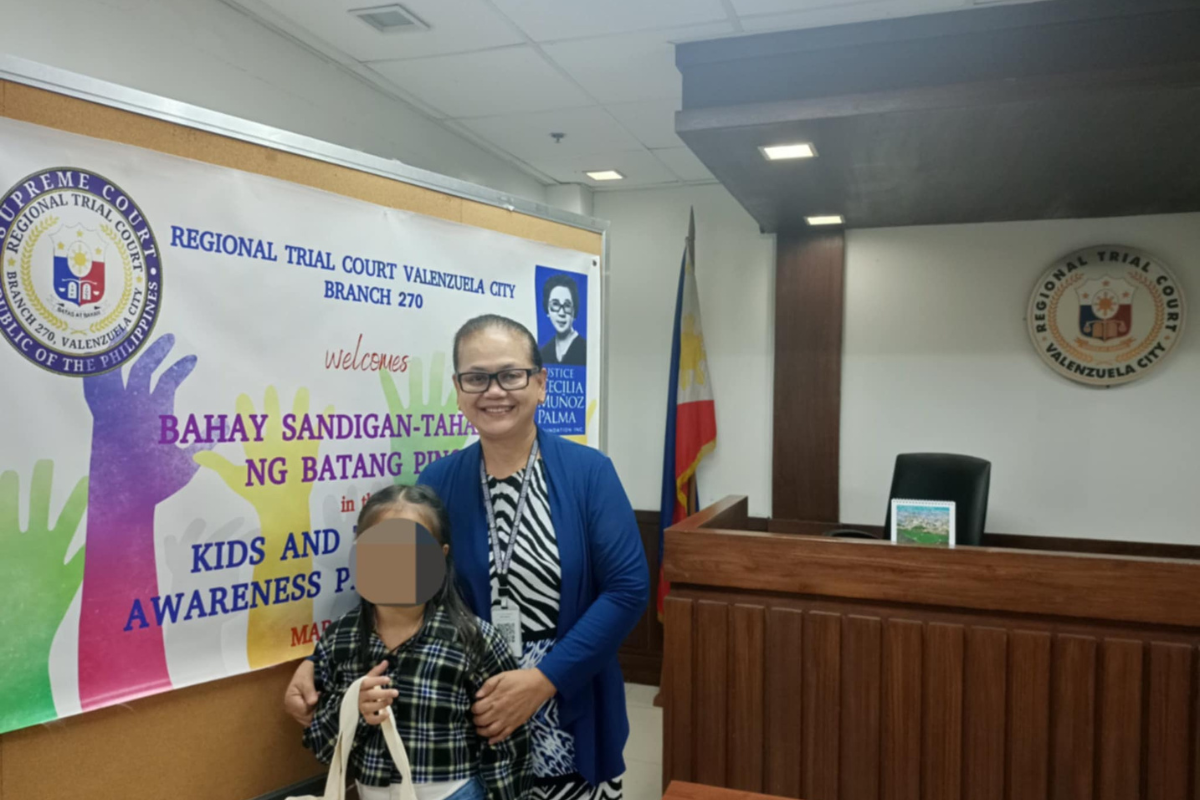
“It is my profound honor to serve as a resource person for the Justice Cecilia Muñoz Palma Foundation’s Kids and Teens Court Awareness Program (KTCAP). As a judge, I have witnessed firsthand how the legal process can deeply impact children’s lives, especially those who have survived abuse.
KTCAP gives us a unique opportunity to assure children that the courtroom is not a place of fear, but a place where their voices matter. The truth they carry is powerful. And within those courtroom walls are people—judges, prosecutors, lawyers, and staff—who are committed to protecting and supporting them.
Let us continue to extend our unwavering support to every child who enters our courts. To my fellow Family Courts across the country, I invite you to be part of this mission. Together, we can create a child-friendly justice system where healing and hope begins.
Feedback from Child Participants
“Masaya po, kasi marami po akong natutunan. At pagtapos ng KTCAP madami po akong nalaman sa loob ng court.”
“” I’m happy because I learned a lot. After KTCAP, I now understand many things about what happens inside the court.”
— Female, 10 years old
“Ang pinaka-nagustuhan ko po ay yung naglaro kami ng volleyball, at nung tinuruan kami kung ano ang gagawin sa court hearing.”
“What I liked the most was when we played volleyball and when they taught us what to do during a court hearing.”
— Female, 11 years old
“Hindi na po ako matatakot humarap sa hearing.”
“I won’t be afraid to face the hearing anymore.”
— Female, 14 years old
“Masaya po. Naiintindihan ko na po ang mangyayari sa hearing.”
“I’m happy. I now understand what will happen during the hearing.”
— Female, 13 years old
Feedback from Social Worker
Online KTCAP Orientation with Bahay Sandigan Clients led a successful online KTCAP (Kids and Teens Court Awareness Program) orientation for the children and youth of Bahay Sandigan.
The session covered essential topics aimed at reducing anxiety and improving court readiness:
• Court Procedures – An overview of the legal process and what to expect during hearings
• Key Roles in Court – Introduction to the judge, lawyers, court staff, and the role of witnesses
• What to Expect in Court – Guidelines on appropriate behavior, communication, and emotional preparation
Key Observations:
• Effective Facilitation: The presenters clearly explained court procedures in a child-friendly and engaging manner
• Active Participation: Children actively asked thoughtful questions, showing curiosity and openness to learn
• Increased Confidence: Many participants expressed a greater sense of understanding and readiness to face court proceedings
“KTCAP helped the children feel braver and more prepared. They now understand that the court is a place where their voice matters, and that they are not alone in their journey toward justice.”
The orientation reaffirmed the value of early court exposure in empowering young witnesses and survivors. Through programs like KTCAP, we continue to provide hope, support, and knowledge to those who need it most.
— DIANN JOSHUA ESCANO, RSW
Social Welfare Officer I,
Bahay Sandigan Malabon
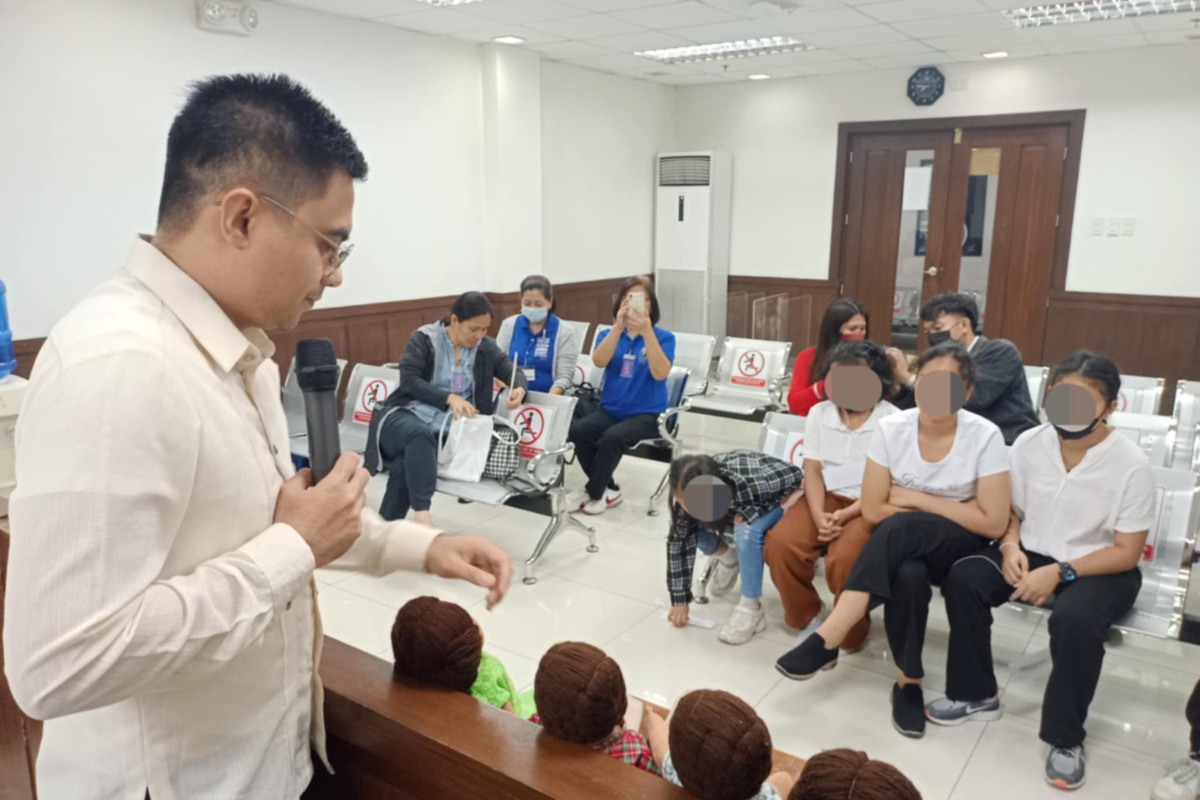
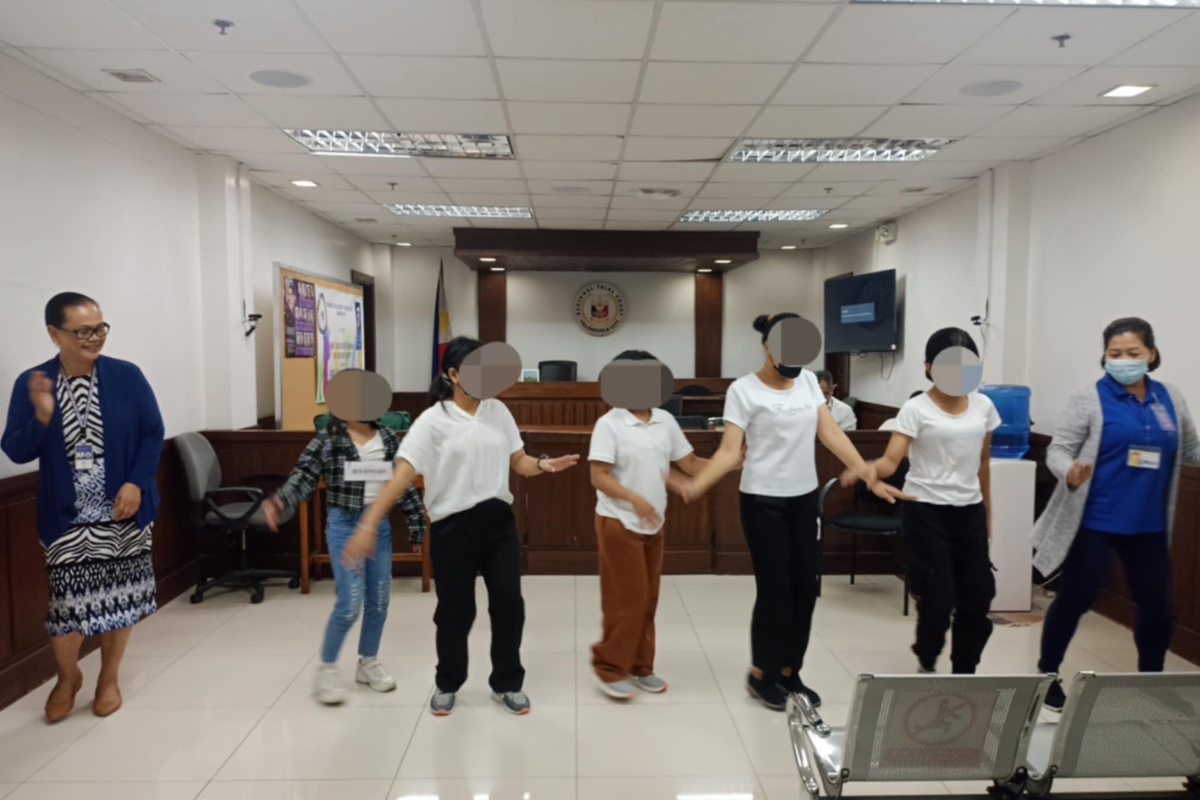
About KTCAP
“The Kids and Teens Court Awareness Program (KTCAP) is a collaborative initiative designed to empower child and teen victims or witnesses of abuse and exploitation. Its goal is to prepare them for court appearances while easing the fear, anxiety, and uncertainty often associated with legal proceedings. Inspired by the King County Kids’ Court in Seattle and thoughtfully adapted for the Philippine context, KTCAP helps young participants understand the justice system, their role in it, and how to navigate courtroom processes with confidence and clarity.
The Justice Cecilia Muñoz Palma Foundation (JCMPF), in collaboration with the Center for the Prevention and Treatment of Child Sexual Abuse (CPTCSA) and Action Against Violence and Exploitation, conducts the Kids and Teens Court Awareness Program (KTCAP).
Every child has the right to be heard. KTCAP is helping make that possible—one empowered child at a time.” that possible—one empowered child at a time.”